


Disclaimer: This website provides health information for educational purposes only and is not a substitute for professional medical advice, diagnosis, or treatment. Always seek the guidance of a qualified healthcare provider with any questions you may have.
Aging at home is a goal many seniors share, but achieving it safely requires more than good intentions. Homes that once felt comfortable can quietly become hazardous as mobility, balance, memory, or health needs change. Without planning, small challenges can escalate into emergencies that force rushed decisions and unnecessary stress for both seniors and their families. These risks often develop gradually, making them easy to overlook until a serious incident occurs.
The good news is that safe aging at home is achievable with thoughtful preparation. By addressing health needs, home safety, legal planning, and future transitions early, families can protect independence while reducing risks. Proactive planning allows seniors to remain in familiar surroundings while maintaining dignity and quality of life. This approach also gives families more time to make informed decisions rather than reacting under pressure.
This guide explores how to build a realistic, adaptable approach to aging at home. Each section focuses on practical steps families can take to improve safety, anticipate change, and create a supportive environment that evolves over time. Readers can use this information as a reference point for both immediate improvements and long-term planning.
- Assess Daily Living Needs Before Problems Arise
- Build a Reliable Support System Inside the Home
- Modify the Home to Reduce Fall and Injury Risks
- Plan for Progressive Care Needs Over Time
- Address Specialized Support for Cognitive and Medical Conditions
- Prepare for Future Health Monitoring From Home
- Create a Legal and Medical Planning Foundation
- Adapt the Home for Long-Term Mobility Challenges
- Know When a Home Transition Becomes Necessary
- Reduce Stress During Relocation With Professional Help
Assess Daily Living Needs Before Problems Arise


Understanding a senior’s current abilities is the foundation of long-term safety and independence. Needs often change gradually, making it easy to overlook small warning signs until they become serious concerns. A thoughtful evaluation of daily routines helps families identify where support may soon be necessary. Early awareness allows adjustments to happen gradually rather than all at once.
When evaluating senior care needs, it’s important to look beyond medical diagnoses and focus on functional abilities. This includes how well a person moves around the home, manages personal hygiene, prepares meals, and handles medications. Cognitive health, emotional well-being, and social engagement should also be considered. These factors often influence safety as much as physical health does.
Families can start by observing daily activities and asking open-ended questions rather than making assumptions. A calm, respectful conversation often reveals challenges seniors may be hesitant to admit. Trust and patience are key to gathering honest insights without causing defensiveness.
Helpful areas to review include:
-
Balance and walking stability
-
Ability to bathe, dress, and groom safely
-
Medication organization and adherence
-
Memory, judgment, and problem-solving
-
Energy levels throughout the day
Reviewing these areas together creates a shared understanding of current strengths and limitations.
Addressing gaps early allows families to add support gradually rather than reacting during a crisis. This approach preserves independence while ensuring safety measures are introduced before accidents occur. It also reduces emotional strain by preventing sudden lifestyle changes.
Build a Reliable Support System Inside the Home
A strong support system allows seniors to maintain routines while receiving help tailored to their needs. Support does not always mean full-time assistance; it often starts with a few hours a week and increases as circumstances change. The key is matching help to real needs rather than waiting until exhaustion or injury forces a decision. Gradual support tends to feel less intrusive and more empowering.
In home health care plays a critical role when medical oversight or skilled services are required. These services may include medication management, wound care, or monitoring chronic conditions. When integrated thoughtfully, medical support enhances safety without disrupting daily life. Coordination with primary physicians further strengthens continuity of care.
Families should coordinate schedules carefully to avoid gaps or duplication of care. Communication between caregivers and family members helps ensure everyone understands responsibilities and expectations. Written care plans often help prevent misunderstandings and missed tasks.
A reliable support system often includes:
-
Scheduled medical or therapeutic visits
-
Family involvement for companionship and oversight
-
Clear emergency response plans
-
Consistent routines that reduce confusion
These components work best when reviewed regularly and adjusted as needs change.
When support is introduced early and adjusted gradually, seniors often feel empowered rather than dependent. The goal is not to take over, but to reinforce independence with the right level of assistance. Emotional reassurance plays a significant role in successful long-term support.
Modify the Home to Reduce Fall and Injury Risks
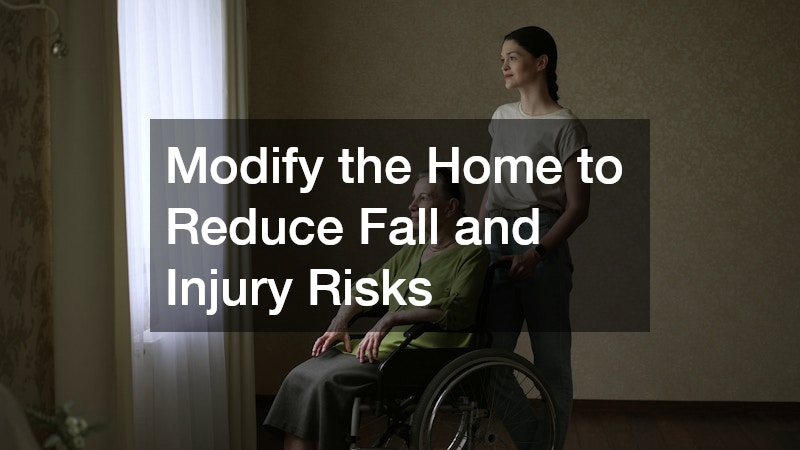
The physical environment plays a major role in preventing injuries. Many homes were not designed with aging bodies in mind, making simple tasks unnecessarily risky. Thoughtful modifications can dramatically reduce the likelihood of falls while improving comfort and accessibility. Safety upgrades often improve usability for everyone in the household.
A comprehensive approach to home care safety begins with identifying hazards room by room. Slippery floors, poor lighting, cluttered pathways, and hard-to-reach storage all contribute to avoidable accidents. Addressing these issues early can delay or eliminate the need for more intensive care settings. Prevention is far more effective than recovery after an injury.
Key safety upgrades often include:
-
Improved lighting in hallways and staircases
-
Non-slip flooring in bathrooms and kitchens
-
Secure handrails and grab bars
-
Rearranged furniture to allow clear pathways
Each of these changes supports confidence and mobility.
Even small changes, such as lowering frequently used items or adding contrast strips on steps, can significantly improve safety. These upgrades not only reduce injury risk but also build confidence, allowing seniors to move freely without fear. Confidence itself can reduce fall risk by encouraging steady, deliberate movement.
Plan for Progressive Care Needs Over Time
Aging is rarely static, and care plans should reflect that reality. What works today may not be sufficient a year from now, making flexibility essential. Planning ahead allows families to adapt smoothly rather than scrambling when needs increase. This foresight reduces stress and financial strain.
Senior in home care plans should be designed with progression in mind. This means anticipating potential changes in mobility, cognition, or health and identifying how services can expand accordingly. Regular reassessments help ensure support remains appropriate and effective. These check-ins also allow seniors to voice changing preferences.
Families benefit from documenting care preferences early and revisiting them periodically. Open discussions about comfort levels, boundaries, and expectations help reduce confusion and emotional strain later. Clear communication prevents assumptions that can lead to conflict.
Effective long-term planning includes:
-
Clear criteria for increasing support
-
Backup caregivers for emergencies
-
Regular check-ins with healthcare providers
-
Financial planning aligned with future needs
These elements work together to create stability.
By planning for change rather than reacting to it, families can preserve stability and avoid sudden disruptions that compromise safety or emotional well-being. This approach also gives seniors a stronger sense of control over their future.
Address Specialized Support for Cognitive and Medical Conditions
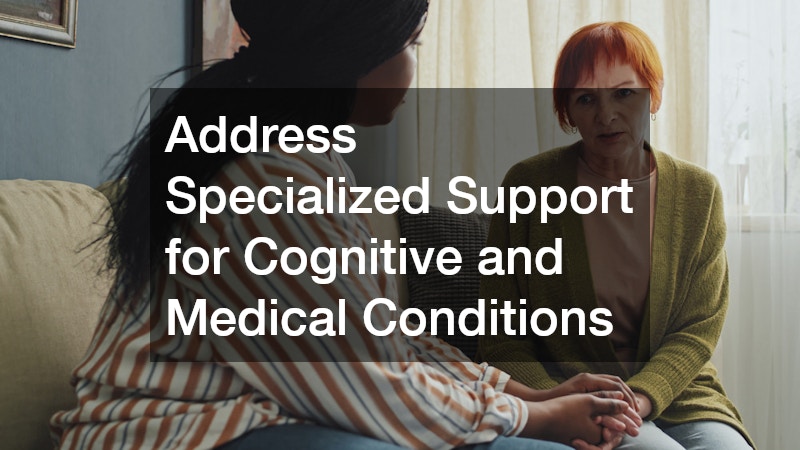
Certain health conditions require more structured oversight to maintain safety at home. Cognitive decline, chronic illness, and neurological conditions can increase risks if not addressed proactively. Specialized planning helps ensure seniors receive appropriate supervision without sacrificing dignity. Respectful care strategies make a significant difference in daily quality of life.
Elder care strategies for complex conditions often emphasize routine and predictability. Structured schedules reduce confusion and anxiety, while environmental cues support memory and orientation. Consistent caregiving relationships also build trust and reduce agitation. Familiarity can significantly improve cooperation and comfort.
Families should work closely with healthcare professionals to understand how conditions may progress and what adaptations may be needed. This includes evaluating medication effects, behavioral changes, and safety concerns specific to the condition. Professional guidance helps families avoid guesswork.
Helpful strategies may include:
-
Simplified daily routines
-
Clear labeling and visual reminders
-
Regular health monitoring
-
Supervised activities that promote engagement
These measures support both safety and emotional well-being.
Thoughtful planning allows seniors with complex needs to remain at home longer while maintaining safety and emotional comfort. It also reduces caregiver burnout by setting realistic expectations.
Prepare for Future Health Monitoring From Home
Advances in technology have made it easier to monitor health conditions without frequent clinic visits. For seniors with neurological concerns or risk factors, home-based monitoring can provide valuable insights while reducing stress. These tools are especially helpful for ongoing observation rather than one-time evaluations.
Remote eeg monitoring companies offer tools that allow healthcare providers to track brain activity patterns over time. This type of monitoring may support early detection of changes, medication effectiveness, or emerging concerns without disrupting daily routines. Early detection often leads to better outcomes.
Families considering monitoring technology should understand how data is collected, shared, and used. Privacy, accuracy, and ease of use are important factors when selecting any health-monitoring solution. Clear explanations help seniors feel more comfortable using these tools.
When evaluating options, families should ask:
-
How data is transmitted and protected
-
Who reviews and interprets results
-
How alerts are handled
-
Whether the system integrates with existing care plans
Asking these questions helps align technology with care goals.
When used appropriately, monitoring technology can enhance safety while allowing seniors to remain comfortably at home. It also provides peace of mind for families who cannot be present at all times.
Create a Legal and Medical Planning Foundation

Legal planning is an essential but often overlooked component of aging safely at home. Without proper documentation, families may face confusion or delays during medical emergencies or care transitions. Addressing these matters early provides clarity and peace of mind. Preparation reduces the likelihood of disputes during stressful moments.
An estate planning attorney can help seniors document healthcare preferences, designate decision-makers, and organize financial affairs. These preparations ensure wishes are respected even if the senior becomes unable to communicate them. Legal guidance also helps avoid costly mistakes.
Key documents often include:
-
Healthcare directives
-
Power of attorney designations
-
Medication and provider lists
-
Emergency contact plans
Having these materials readily available improves response times during emergencies.
Having these materials readily available reduces stress during urgent situations and helps caregivers act confidently. Legal clarity supports medical safety and protects family relationships during challenging moments. It also reinforces the senior’s autonomy.
Adapt the Home for Long-Term Mobility Challenges
As mobility changes, navigating stairs or multi-level homes can become increasingly dangerous. Planning ahead allows families to explore solutions before mobility limitations become severe. Early action prevents rushed decisions following an injury.
Elevator installation can be a practical option for seniors who wish to remain in multi-story homes. Modern residential systems are designed with safety, reliability, and space efficiency in mind. Installing accessibility solutions early allows seniors to adapt gradually rather than under pressure. Gradual adaptation reduces resistance and fear.
Before making major modifications, families should consider:
-
Current and anticipated mobility needs
-
Home layout and structural feasibility
-
Safety features and backup systems
-
Long-term cost versus relocation
Careful evaluation ensures investments align with future needs.
Thoughtful accessibility upgrades allow seniors to continue using their entire home safely, preserving independence and comfort. These changes also increase long-term usability for future occupants.
Know When a Home Transition Becomes Necessary
Despite careful planning, there may come a time when staying in the current home is no longer the safest option. Recognizing this moment early helps families make thoughtful decisions rather than reacting during emergencies. Awareness reduces guilt and confusion around the decision.
A senior move should be viewed as a safety decision, not a failure. Signs that relocation may be necessary include frequent falls, inability to manage daily tasks, or increasing medical risks that exceed available support. These indicators often appear gradually rather than suddenly.
Open conversations help seniors feel included in decision-making. Exploring options together reduces fear and builds trust. Inclusion helps preserve dignity during difficult transitions.
Important considerations include:
-
Proximity to medical services
-
Accessibility of the new environment
-
Emotional readiness
-
Support networks
Evaluating these factors together encourages shared understanding.
When handled thoughtfully, transitions can improve safety while maintaining dignity and emotional well-being. Planning ahead makes relocation less traumatic and more empowering.
Reduce Stress During Relocation With Professional Help
Moving later in life presents unique physical and emotional challenges. Sorting belongings, coordinating logistics, and adjusting to change can be overwhelming without support. Emotional attachments often make the process more complex.
A senior moving company specializes in managing these transitions with care and sensitivity. These professionals understand health considerations, pacing needs, and emotional attachments, making the process safer and less stressful. Their experience helps prevent injury and fatigue.
Professional assistance often includes:
-
Downsizing support
-
Safe packing and transport
-
Coordination with caregivers
-
Setup assistance in the new home
These services reduce both physical strain and emotional overload.
By reducing physical strain and emotional overwhelm, professional help allows seniors to focus on adjusting comfortably to their new environment. A smoother transition supports long-term well-being and confidence.
Safe aging at home is the result of thoughtful planning, ongoing communication, and a willingness to adapt. By addressing health needs, home safety, legal considerations, and future transitions early, families create an environment that supports independence while minimizing risk. Preparation transforms uncertainty into confidence.
No single solution fits every situation, but a proactive approach empowers seniors to remain engaged, comfortable, and secure for as long as possible. When families plan ahead, aging at home becomes not just a preference, but a sustainable and dignified reality. This mindset benefits both seniors and the people who care for them.