
Disclaimer: This website provides health information for educational purposes only and is not a substitute for professional medical advice, diagnosis, or treatment. Always seek the guidance of a qualified healthcare provider with any questions you may have.
Embarking on the journey to find a reliable and trustworthy healthcare provider is one of the most significant decisions an individual makes regarding their personal well-being. This process extends far beyond simply selecting a name from an insurance directory; it involves a meticulous evaluation of expertise, communication style, and philosophical alignment. A successful long-term relationship with a medical professional is crucial for maintaining preventive health, managing chronic conditions, and ensuring peace of mind when unexpected issues arise. Therefore, approaching this selection with diligence and a clear understanding of your own needs is the essential first step toward securing high-quality, continuous care that supports a vibrant and healthy life.

- Researching Credentials and Certifications
- Assessing Expertise in Specific Treatments
- Evaluating the Scope of Wellness Programs
- Finding Specialized Surgical Practitioners

- Considering Long-Term Wellness Partnerships
- Investigating Rehabilitative Options

- Determining Need for Hormone Balancing
- Reviewing Availability of Cosmetic Procedures
- Examining Facility Equipment and Resources
- Understanding Recovery and Mobility Support
Researching Credentials and Certifications
When initiating the search for a new healthcare provider, the foundational step must be a thorough investigation into their formal training, licensing status, and board certifications, which serve as essential benchmarks for competency and ethical practice. These credentials offer objective proof that a professional has met rigorous educational and clinical standards defined by official regulatory bodies, demonstrating a baseline mastery of their specific medical field. Reviewing where a doctor completed their medical school, residency, and fellowship programs provides valuable insight into the quality of their education and the breadth of their clinical experience, offering assurance that they possess the necessary skills to manage complex medical situations effectively.
The primary goal of this initial verification is to ensure that the provider is legally and professionally qualified to offer the services you require, moving beyond generalized reputation. For instance, when looking for health care services, checking the practitioner’s record with state licensing boards and reviewing the status of their board certification—a voluntary process that demonstrates commitment to lifelong learning—can help distinguish highly dedicated professionals. Ensuring all certifications are current and that there are no disciplinary actions against their license offers the necessary peace of mind that you are entrusting your health to a reputable and well-regulated expert.
Assessing Expertise in Specific Treatments
While board certification establishes a provider’s general competency, patients with specific, persistent conditions need to look deeper into the physician’s practical experience with targeted treatment modalities and specialized interventions. Effective medical care often relies on a clinician’s familiarity with the latest research, procedural innovations, and alternative approaches within a very narrow field of practice. Asking about the volume of specific procedures performed or the success rates achieved in treating conditions relevant to your needs can provide concrete evidence of specialized skill that far exceeds basic medical knowledge.
Individuals suffering from specific musculoskeletal complaints, for example, need assurance that their chosen specialist employs the most appropriate and up-to-date conservative or interventional techniques available today. If you are struggling with a chronic joint issue, determining if the professional has extensive, documented experience with non-surgical interventions is critical; a provider experienced in treating chronic knee pain therapy may offer a broader, less invasive range of motion-preserving treatments than a general orthopedist. This specialized experience is the factor that often makes the greatest difference in achieving a successful long-term recovery and avoiding unnecessary procedures.
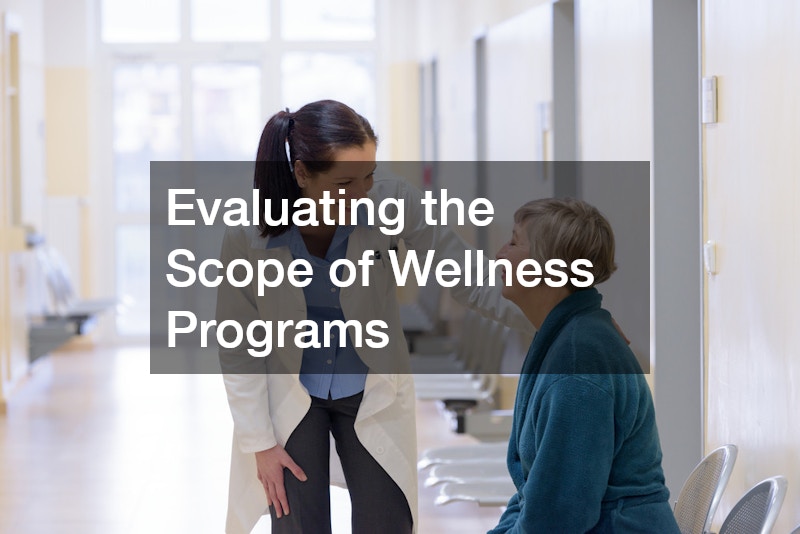
Evaluating the Scope of Wellness Programs
A growing number of medical professionals and clinics are broadening their scope to offer comprehensive wellness programs that extend care far beyond treating acute sickness. Patients should assess whether a provider’s approach includes proactive, preventative services, focusing on lifestyle, nutrition, stress management, and overall functional health rather than only reactive interventions. A provider committed to holistic wellness understands that optimal health is achieved through continuous management of daily habits and environmental factors, making their practice a partner in sustaining long-term health, not just a place to visit when ill.
When evaluating a new physician, look specifically at the structured programs available and whether they align with your personal health goals, such as fitness, stress reduction, or dietary modification. The value of a provider who offers medical weight loss management, for instance, lies in their ability to combine personalized dietary guidance and behavioral therapy with medical oversight. This comprehensive approach differentiates them from generic diet plans, offering physician-guided, evidence-based strategies to address the complex physiological and metabolic factors that contribute to sustained healthy body composition.
Finding Specialized Surgical Practitioners
For individuals requiring invasive procedures, the selection of a surgical specialist demands a uniquely rigorous level of scrutiny, focusing specifically on surgical volume, procedural specialization, and affiliation with reputable hospital systems. Surgeons who routinely perform a high volume of specific procedures often develop a refined technical skill and a deep understanding of potential complications, which directly correlates with improved patient outcomes. Furthermore, verifying that the surgeon holds privileges at respected, accredited medical centers ensures that they operate within environments that meet the highest standards of safety, technology, and post-operative care.
When facing necessary dental or jaw procedures, the need for specialized training becomes particularly apparent, requiring a professional who is credentialed to handle complex bone, tissue, and anesthesia requirements. It is essential to choose a provider who is a board-certified specialist; a local oral surgeon, for example, possesses the advanced training necessary to manage complicated wisdom tooth extractions, facial trauma, or implant surgery that general dentists are not equipped to perform. This specialization guarantees access to advanced diagnostic tools and necessary hospital-based resources should unexpected complexities arise during the procedure.
Considering Long-Term Wellness Partnerships
Establishing a relationship with a healthcare provider should be viewed as initiating a long-term partnership, not merely scheduling transactional appointments for illness. The most valuable provider is one who is invested in collaborating on a preventative plan, tracking biometric data over time, and adjusting strategies as life circumstances and health needs evolve. This continuity of care is paramount for managing long-term health, allowing the provider to gain a nuanced understanding of the patient’s history, habits, and genetic predispositions, leading to highly personalized and effective medical guidance.
When assessing potential partners, evaluate their communication style and willingness to engage in shared decision-making regarding preventative care and management strategies. A provider committed to maximizing long-term outcomes will frame care around the patient’s total well-being, focusing on the comprehensive delivery of health solutions that address the root causes of dysfunction rather than merely suppressing symptoms. This proactive partnership model moves beyond standard sick care, emphasizing personalized intervention to preserve vitality and quality of life for years to come.
Investigating Rehabilitative Options
For many patients recovering from injuries, surgery, or dealing with chronic mobility limitations, the quality and accessibility of rehabilitative care are just as crucial as the initial medical diagnosis and intervention. Assessing the therapeutic approaches offered by a potential healthcare system should involve a close look at its commitment to restorative function, individualized recovery plans, and multidisciplinary coordination between specialists. A strong provider network will emphasize returning the patient to their highest possible functional capacity through guided, customized exercise and evidence-based modalities.
When the goal involves restoring movement and strength, particularly after an acute event or for managing degenerative conditions, the specific therapeutic approach is key to a successful outcome. Patients should verify that their chosen provider is supported by professionals skilled in physical therapy, which involves targeted techniques for restoring range of motion, improving balance, and reducing pain through manual therapy and prescribed movement. The focus here is not just on short-term pain relief but on equipping the patient with the knowledge and tools necessary for long-term self-management and injury prevention.
Determining Need for Hormone Balancing
The role of hormones in overall health extends far beyond reproductive function, impacting energy levels, mood stability, bone density, and metabolic rate throughout the adult lifespan. For many individuals experiencing unexplained fatigue, changes in body composition, or mental fog, a comprehensive evaluation of endocrine function by a knowledgeable professional may be a critical step toward uncovering the underlying causes of declining vitality. Assessing a provider’s approach to hormonal health, including their diagnostic methods and treatment philosophy, is essential before committing to a management plan.
This type of assessment is particularly important for aging individuals who notice a decline in vigor, strength, or libido, requiring a practitioner who is well-versed in the specifics of age-related hormonal fluctuations. For men experiencing symptoms of hypogonadism, locating a specialist who is experienced in diagnosing and managing declining mens testosterone levels through careful assessment and appropriate treatment protocols is vital. The care must be highly individualized, focusing on proper testing and balancing hormone levels cautiously to improve quality of life while mitigating potential risks.
Reviewing Availability of Cosmetic Procedures
While traditional medical needs often dominate the search for a new practitioner, a growing number of individuals also prioritize access to safe and professionally executed aesthetic and cosmetic treatments for self-confidence and personal well-being. When evaluating a potential clinic, patients should inquire about the range of non-surgical and minimally invasive cosmetic procedures offered, verifying that the treatments are performed in a hygienic, accredited setting by properly trained medical personnel. The priority must always be safety and natural-looking results, underscoring the need for physicians who view cosmetic enhancements as part of comprehensive patient care.
Specifically, patients interested in common rejuvenation treatments must ensure the provider has extensive experience and proper certification in dermal and neurotoxin applications. Selecting a provider who regularly performs high volumes of botox services, for example, demonstrates not only technical proficiency but also a refined understanding of facial anatomy and aesthetic proportion necessary to deliver subtle, effective results. Safety and patient satisfaction depend heavily on choosing a medical professional whose focus is on enhancing natural features rather than simply administering a procedure.
Examining Facility Equipment and Resources
The physical resources and technological infrastructure available at a provider’s office or clinic are direct indicators of their commitment to modern, efficient, and high-quality patient care. Patients should assess whether the facility utilizes up-to-date diagnostic technology, maintains stringent standards of hygiene, and possesses the necessary on-site capabilities to perform minor procedures or complex testing efficiently. A well-equipped office minimizes the need for external referrals for basic services, streamlining the care process and providing a more integrated and convenient patient experience.
This scrutiny is especially relevant when considering providers that integrate various aspects of care, such as those that handle both examination and immediate recovery or rehabilitation. Evaluating the selection and quality of specialized tools and devices is critical; a clinic that stocks a comprehensive range of quality, sanitized medical supplies, from diagnostic tools to essential wound care materials, demonstrates preparation and a commitment to handling diverse patient needs without delays. The presence of state-of-the-art equipment and readily available resources often suggests a provider’s dedication to operational excellence and minimizing potential infection risks.
Understanding Recovery and Mobility Support
For patients undergoing significant medical interventions or recovering from serious injury, the supportive care provided immediately after a procedure or diagnosis is a crucial element of a successful outcome. It is essential to understand the provider’s protocol for post-treatment support, including pain management strategies, follow-up scheduling, and their ability to connect patients with necessary assistive aids or specialized care facilities. A comprehensive provider ensures that the transition from treatment back to daily life is carefully managed and monitored.
Patients requiring help regaining function and independence after an event, such as a joint replacement or a neurological incident, must ensure the medical system can seamlessly integrate restorative assistance into the recovery plan. Therefore, confirming access to comprehensive physical rehab services is a key part of the selection process, ensuring that the professional network can connect the patient with targeted programs focused on rebuilding strength, coordination, and endurance. This critical component of care involves specialized practitioners and resources dedicated entirely to maximizing the patient’s functional recovery and long-term quality of movement.
The successful navigation of the modern healthcare landscape requires patients to adopt an active, informed role in selecting their medical partners, treating the search as a strategic process vital to their long-term well-being. The selection criteria must move beyond simple proximity or insurance network compatibility to encompass a careful vetting of professional credentials, specialized experience, and a shared philosophy toward health and wellness. By meticulously investigating a provider’s commitment to both preventative care and effective treatment, and by ensuring they operate within a network that offers comprehensive, integrated support, individuals can establish a foundation of care designed for resilience. The ultimate goal is to find a trusted professional who serves not just as a diagnostician, but as a dedicated partner, guiding informed choices and advocating for the continuous pursuit of a healthy, active life.
