
Disclaimer: This website provides health information for educational purposes only and is not a substitute for professional medical advice, diagnosis, or treatment. Always seek the guidance of a qualified healthcare provider with any questions you may have.
Patient-centered care has moved from a healthcare ideal to an operational necessity. Today’s patients expect more than competent treatment—they want clarity, comfort, responsiveness, and meaningful involvement in their own health decisions. Technology has become the catalyst that makes this shift possible, bridging gaps between providers and patients while supporting more personalized, efficient, and compassionate care experiences.
Rather than replacing human interaction, modern healthcare technology enhances it. Digital tools improve communication, expand access, reduce friction, and allow clinicians to tailor care to individual needs instead of one-size-fits-all protocols. From diagnostics and preventive screening to treatment planning and recovery, technology now shapes nearly every touchpoint of the patient journey.
The following sections explore how specific advancements are changing what patient-centered care looks like in practice, with a focus on what patients should understand, expect, and ask for as they navigate modern healthcare systems.
- Improve Comfort and Confidence During Diagnostic Imaging
- Use Personalized Health Data to Support Preventive Decisions
- Combine Hands-On Care With Data-Driven Precision
- Extend Quality Care Into the Home Environment
- Streamline Access to Same-Day Medical Support
- Detect Structural Changes Earlier for Better Outcomes
- Support Safer, More Accurate Treatment Experiences
- Encourage Early Intervention Through Sensory Screening
- Improve Transparency in Specialized and Regulated Care
- Enhance Surgical Planning and Recovery Experiences
Improve Comfort and Confidence During Diagnostic Imaging
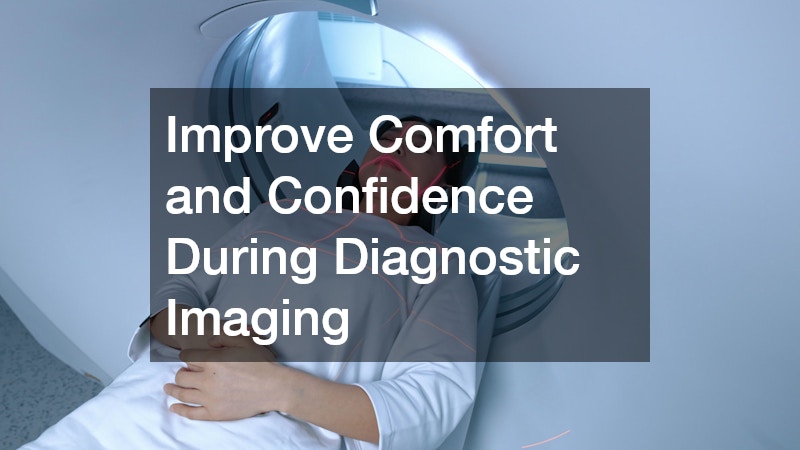
Diagnostic imaging is a critical part of modern medicine, but for many patients, the experience itself can be intimidating. Discomfort, anxiety, and physical limitations can make it difficult for patients to complete scans accurately, which affects both results and outcomes. Technology has responded by prioritizing patient comfort alongside diagnostic precision.
One major advancement is the use of upright open mri systems, which allow patients to remain seated or standing during imaging. This design reduces feelings of confinement and accommodates individuals who may struggle with traditional enclosed environments. When patients are physically more comfortable, they are more likely to stay still, follow instructions, and complete necessary scans without distress.
Beyond comfort, modern imaging technology supports patient-centered care by improving communication. Clear visuals and faster results allow providers to explain findings in ways patients can understand, making it easier to participate in next-step decisions. Patients benefit most when imaging feels collaborative rather than overwhelming.
Helpful questions patients can ask before imaging include:
- What positioning options are available?
- How long will the scan take?
- How will results be shared and explained?
When patients feel respected and informed during diagnostics, trust and engagement increase.
Use Personalized Health Data to Support Preventive Decisions
Preventive care is most effective when it is personalized, and technology now allows healthcare to move beyond generalized recommendations. By analyzing individual biological data, providers can identify risks earlier and recommend lifestyle changes or monitoring strategies that are tailored rather than generic.
DNA testing plays a growing role in this process by offering insights into inherited health tendencies, metabolic factors, and potential sensitivities. When used responsibly, this information helps patients understand why certain screenings, nutrition plans, or preventive measures may be more relevant to them than others.
Patient-centered care requires transparency around how this data is used and protected. Patients should feel empowered—not pressured—to engage with genetic insights. Providers who explain results clearly and place them in context help patients make informed, confident choices.
Key considerations for patients include:
- Understanding what tests can and cannot predict
- Knowing how data privacy is handled
- Using results as guidance, not destiny
When technology supports prevention thoughtfully, it helps patients become proactive partners in their long-term health. Personalized insights and timely reminders encourage patients to take action before problems escalate. Access to clear data makes health goals feel achievable rather than abstract. Over time, this partnership mindset leads to better adherence, earlier interventions, and more sustainable wellness outcomes.
Combine Hands-On Care With Data-Driven Precision
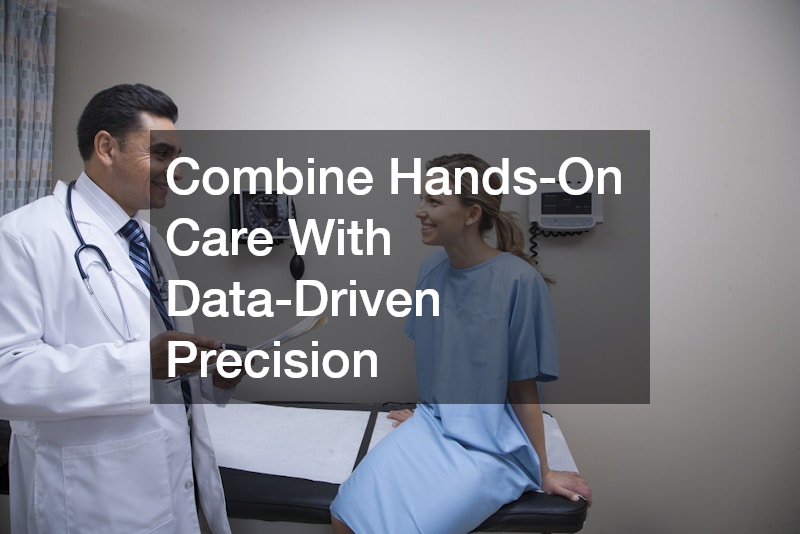
Musculoskeletal care has long relied on skilled hands and clinical experience, but technology has added a new layer of precision and accountability. Digital imaging, posture analysis tools, and progress-tracking software now complement physical assessments, creating a more complete picture of patient needs.
A chiropractor who integrates these tools can tailor care plans based on measurable changes rather than subjective impressions alone. This approach allows patients to see how their bodies respond over time, reinforcing confidence in the treatment process.
Patient-centered care thrives when patients understand not just what is being done, but why. Visual feedback and digital records make it easier to explain movement patterns, alignment concerns, and progress milestones.
Patients benefit most when care includes:
- Clear explanations of findings
- Measurable goals and progress tracking
- Opportunities to ask questions and adjust plans
Technology doesn’t replace hands-on care—it strengthens the partnership between provider and patient.
Extend Quality Care Into the Home Environment
Healthcare does not stop at the clinic door. For many patients, recovery, management, and support happen at home, where technology now plays a crucial role in maintaining continuity of care. Digital monitoring tools and communication platforms help bridge the gap between in-person visits and daily life.
A well-coordinated home care service can use technology to track vital signs, medication adherence, and mobility progress while keeping patients connected to their care teams. This approach reduces unnecessary hospital visits and supports independence, especially for older adults or individuals with chronic conditions.
Patient-centered home care focuses on dignity, safety, and communication. When technology enables real-time updates and early intervention, patients feel supported rather than isolated.
Important benefits include:
- Faster response to changes in condition
- Improved coordination with physicians
- Greater peace of mind for patients and families
Care that adapts to where patients live fosters better outcomes and stronger trust. Flexible care models reduce barriers such as transportation, scheduling conflicts, and physical limitations. Patients feel more supported when services align with their daily routines and environments. This responsiveness strengthens the relationship between patients and providers, reinforcing confidence in the care process.
Streamline Access to Same-Day Medical Support
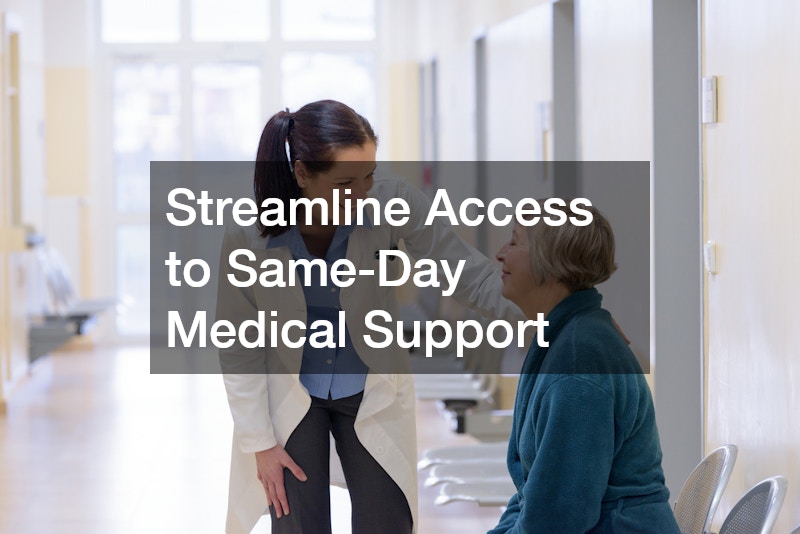
Immediate care needs are a reality of modern life, and technology has transformed how patients access timely medical attention. Digital scheduling, electronic records, and streamlined intake systems reduce wait times and eliminate unnecessary paperwork.
A modern walk in clinic benefits patients by using technology to maintain continuity, even in unscheduled settings. When records are accessible and visits are efficiently documented, patients don’t have to repeatedly explain their history or worry about gaps in care.
Patient-centered urgent care prioritizes clarity and speed without sacrificing quality. Technology helps providers focus more on the patient and less on administrative tasks.
Patients can maximize their experience by:
- Using online check-in options
- Asking how records are shared with primary providers
- Requesting clear follow-up instructions
Efficient access builds confidence and reduces stress during unexpected health concerns. When patients know where to go and what to expect, they can focus on getting care rather than navigating obstacles. Streamlined processes minimize uncertainty at a time when emotions may already be heightened. This reassurance helps patients feel supported even in urgent or unfamiliar situations.
Detect Structural Changes Earlier for Better Outcomes
Understanding how the body changes over time is essential for preventing injury and managing chronic conditions. Advances in imaging and analysis now allow clinicians to identify subtle structural issues before they become serious problems.
Improved visualization of bone fibers helps providers detect micro-level changes that may affect strength, mobility, or long-term stability. Early detection supports proactive care rather than reactive treatment, aligning closely with patient-centered principles.
Patients benefit when findings are explained clearly and tied to actionable steps. Technology enables providers to show—not just tell—what is happening inside the body.
Patient-focused advantages include:
- Earlier intervention opportunities
- Reduced risk of complications
- Clearer understanding of structural health
When patients understand their bodies better, they are more likely to engage in preventive behaviors and follow care recommendations. Clear explanations and visual tools make complex information easier to grasp and remember. This understanding encourages patients to take ownership of lifestyle changes and monitoring routines. Over time, informed engagement leads to more consistent care habits and improved long-term health outcomes.
Support Safer, More Accurate Treatment Experiences

Modern healthcare relies on tools that enhance accuracy, reduce errors, and improve patient safety. Technology has dramatically expanded what clinicians can do while minimizing risks associated with complex care.
Advanced medical equipment now integrates data tracking, automation, and safety alerts to support consistent, high-quality treatment. These systems help providers monitor performance and outcomes while keeping patients informed throughout the process.
Patient-centered care means patients know what tools are being used and why. Transparency builds trust and encourages engagement.
Patients should feel comfortable asking:
- How does this equipment improve safety?
- What safeguards are in place?
- How will outcomes be monitored?
When technology works quietly in the background, patients experience smoother, more confident care. Automated safety checks and real-time monitoring reduce the likelihood of errors without disrupting the patient experience. Behind-the-scenes data integration allows providers to focus their attention on communication and care rather than systems and screens. The result is an environment where patients feel supported without feeling managed by machines.
Encourage Early Intervention Through Sensory Screening
Sensory health plays a major role in quality of life, communication, and cognitive well-being. Technology has made screening more accessible, accurate, and easier to integrate into routine care.
Modern tools allow a hearing test to be conducted efficiently while producing detailed, trackable results. Digital records make it easier to monitor changes over time and coordinate care when follow-up is needed.
Patient-centered screening emphasizes education as much as detection. Patients who understand results are more likely to pursue appropriate interventions.
Benefits of technology-supported screening include:
- Earlier identification of changes
- Clear documentation and trend analysis
- Better coordination with specialists
Early awareness empowers patients to protect their independence and daily functioning. Identifying changes sooner allows patients to adjust habits, seek support, or begin treatment before limitations interfere with daily life. This proactive approach often reduces the need for more intensive interventions later. As a result, patients maintain greater confidence in managing their health on their own terms.
Improve Transparency in Specialized and Regulated Care
As healthcare expands into emerging and regulated treatment areas, technology plays a key role in ensuring safety, compliance, and patient understanding. Digital platforms standardize evaluations, documentation, and education, making specialized care more accessible and accountable.
When working with a marijuana doctor, technology supports thorough assessments, secure records, and clear communication around treatment parameters. This structure helps patients make informed decisions within appropriate legal and medical frameworks.
Patient-centered care in specialized fields prioritizes clarity and consent. Technology ensures patients understand options, responsibilities, and expectations.
Patients should look for:
- Clear digital documentation
- Educational resources
- Secure communication channels
Transparency builds confidence, especially in areas where patients may feel uncertain or unfamiliar. Clear documentation, accessible records, and straightforward explanations help remove confusion and reduce hesitation. When patients can review information at their own pace, they feel more in control of their decisions. This openness encourages honest conversations and strengthens trust between patients and providers over time.
Enhance Surgical Planning and Recovery Experiences
Surgical care has benefited significantly from technological advancements that improve precision, preparation, and recovery. Digital imaging, planning software, and patient education tools all contribute to better outcomes and smoother experiences.
In procedures like cataract surgery, technology allows surgeons to plan with greater accuracy while helping patients understand what to expect before and after treatment. Educational portals and digital follow-ups reduce anxiety and support recovery.
Patient-centered surgical care focuses on preparation and reassurance. Technology helps patients feel informed rather than overwhelmed. Digital education tools, pre-procedure walkthroughs, and interactive planning platforms give patients a clearer understanding of each step in the process. This clarity reduces last-minute stress and helps set realistic expectations for recovery. When patients feel prepared, they are more likely to follow post-operative instructions and report concerns early, supporting better outcomes overall.
Helpful features include:
- Clear visual explanations of procedures
- Digital recovery instructions
- Easy access to post-operative support
When patients know what’s coming, confidence replaces fear. Clear explanations, visual guides, and realistic timelines help remove the uncertainty that often fuels anxiety before treatment or procedures. This sense of preparedness allows patients to ask better questions and participate more actively in their care decisions. Over time, informed experiences build trust, making patients more comfortable navigating future healthcare needs rather than avoiding them.
Technology has fundamentally changed how healthcare is delivered, but its greatest impact lies in how it supports patients—not just systems. By improving access, personalization, communication, and safety, modern tools help shift care toward experiences that are more respectful, responsive, and empowering.
Patient-centered care thrives when individuals are informed participants rather than passive recipients. Technology enables this shift by making health information clearer, care pathways more flexible, and outcomes more measurable. When used thoughtfully, these advancements strengthen trust and collaboration between patients and providers.
As healthcare continues to evolve, the most successful systems will be those that view technology not as a replacement for human care, but as a bridge—connecting expertise with empathy and innovation with understanding.
