
Disclaimer: This website provides health information for educational purposes only and is not a substitute for professional medical advice, diagnosis, or treatment. Always seek the guidance of a qualified healthcare provider with any questions you may have.
Building a strong personal health maintenance plan is one of the most effective ways to improve long-term well-being, reduce medical risks, and maintain independence throughout life. Instead of waiting for health issues to arise, a proactive approach helps you stay ahead of potential problems, identify early warning signs, and make informed decisions about your care.
A well-structured plan does not need to be complicated. It should simply bring together the key areas of physical, mental, and preventive care in a consistent, manageable way. By organizing routine checkups, daily habits, and specialist support, you create a system that supports your health every day—not just when something goes wrong.
This guide breaks down each major area of personal health maintenance into practical, actionable steps. The goal is to help you build a realistic, sustainable, and tailored plan for your lifestyle.
- Strengthening Daily Oral Care Habits
- Protecting Vision and Maintaining Eye Health
- Preparing for Unexpected Health Situations
- Supporting Emotional and Mental Wellness
- Maintaining Mobility and Foot Health
- Planning for At-Home Support Needs
- Monitoring Hearing and Sensory Health
- Creating a Coordinated Health System
- Building Sustainable Lifestyle Habits
- Reviewing and Adjusting Your Health Plan
Strengthening Daily Oral Care Habits
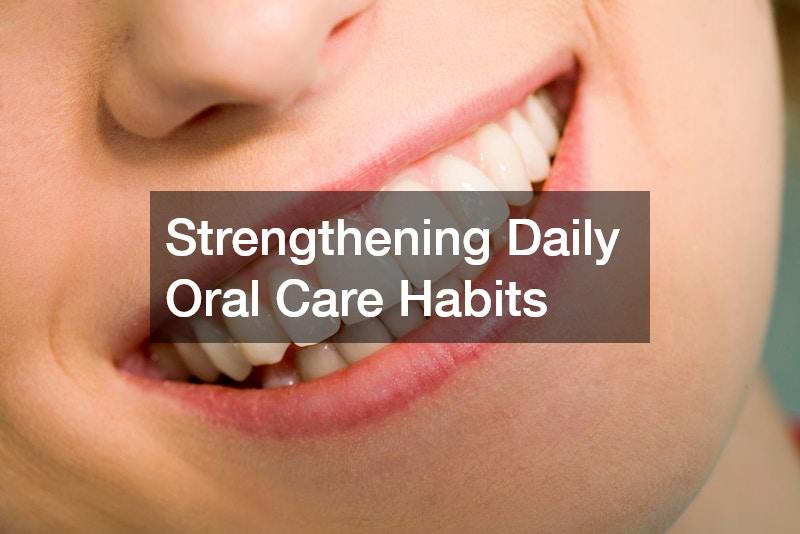
A strong foundation for overall wellness begins with consistent oral care. Oral health is closely linked to heart health, digestion, and even immune system function, making it an essential part of any personal maintenance plan. When oral hygiene is neglected, bacteria can accumulate in the mouth, leading to inflammation that may affect other parts of the body. This is why daily care is not just about maintaining a clean smile, but also about supporting long-term health.
Regular visits to a dentist help identify issues early, such as cavities, gum disease, or structural concerns that may not be noticeable at home. Preventive checkups can significantly reduce the need for more complex procedures later. These visits also provide an opportunity for professional cleaning, which removes hardened plaque (tartar) that cannot be eliminated through brushing alone. Early detection is especially important for conditions like gingivitis, which can progress silently if left untreated.
To maintain optimal oral health, consider the following habits:
- Brush at least twice daily with fluoride toothpaste
- Floss once per day to remove plaque between teeth
- Limit sugary foods and acidic drinks
- Schedule routine dental cleanings every six months
- Replace toothbrushes every 3–4 months
In addition to these basics, it is also helpful to develop better technique. Brushing for a full 2 minutes, using gentle circular motions, and reaching all tooth surfaces can greatly improve effectiveness. Many people also benefit from using an antimicrobial mouthwash to reduce bacteria levels and freshen breath.
In addition to preventive care, many individuals explore cosmetic improvements, such as teeth whitening, to enhance their appearance and boost their confidence. While optional, these treatments should always be performed safely and under professional guidance to avoid enamel damage or sensitivity. Overuse of whitening products or improper application can lead to long-term tooth sensitivity, so moderation and supervision are important.
Consistent attention to oral hygiene not only protects your teeth and gums but also contributes to overall systemic health. A healthy mouth supports better nutrition, clearer speech, improved confidence, and a reduced risk of broader health complications, making it a key pillar of any long-term wellness strategy.
Protecting Vision and Maintaining Eye Health
Vision plays a crucial role in daily functioning, from reading and driving to working and using digital devices. Maintaining eye health should be a regular part of your overall wellness strategy. Because many vision changes occur gradually, people often adapt without realizing how much their eyesight has shifted. This can lead to eye strain, headaches, and reduced productivity over time, especially in environments that require prolonged screen use.
Routine vision screenings help detect changes early, especially conditions such as nearsightedness, farsightedness, and age-related vision decline. Many individuals rely on prescription glasses to maintain clear and comfortable vision throughout the day. Wearing the correct prescription is essential not only for clarity but also for reducing unnecessary strain on the eyes and surrounding muscles. Outdated prescriptions can contribute to fatigue and difficulty focusing, even if the changes seem minor.
Practical steps for eye care include:
- Scheduling comprehensive eye exams every 1–2 years
- Taking regular breaks from screens using the 20-20-20 rule
- Wearing UV-protective sunglasses outdoors
- Keeping screens at a comfortable brightness level
- Staying hydrated to prevent eye dryness
Additional habits can also support long-term eye comfort. Positioning screens at eye level, reducing glare with proper lighting, and adjusting text size when reading digitally can all reduce strain. Nutritional support also plays a role, with vitamins such as A, C, and E contributing to overall eye health. Limiting prolonged evening exposure to blue light can further improve comfort and sleep quality.
In addition to corrective lenses, optical services play an important role in providing professional assessments, fitting eyewear, and monitoring vision changes over time. Regular engagement with eye care professionals helps prevent small changes from becoming long-term issues. These services also help individuals explore updated lens technologies, such as anti-reflective coatings and blue-light filtering options, that can enhance comfort in digital lifestyles.
Good vision care is not just about correction—it is about prevention and long-term protection. By combining regular checkups, healthy habits, and proper eyewear, individuals can preserve clear vision and reduce the risk of future complications.
Preparing for Unexpected Health Situations

Health emergencies can happen at any time, making preparedness an essential part of any maintenance plan. Understanding the difference between routine care and urgent situations can help you respond quickly and appropriately. Many people delay action because they are unsure of how serious a symptom is, which can sometimes worsen outcomes. Having a clear plan in place reduces hesitation and supports faster decision-making when it matters most.
Emergency situations require immediate attention, especially when symptoms are severe, sudden, or life-threatening. Knowing when to seek emergency care can make a significant difference in outcomes. Symptoms such as chest pain, difficulty breathing, severe bleeding, or sudden neurological changes should never be ignored. Acting quickly in these situations can prevent complications and, in some cases, save lives.
At the same time, not every urgent situation requires a hospital visit. Many non-life-threatening conditions can be addressed through urgent care services, which offer faster access than traditional emergency rooms. These facilities are often better suited for issues like minor fractures, infections, sprains, or moderate illnesses that still require prompt attention but are not critical emergencies. Understanding this distinction helps reduce unnecessary stress on emergency departments while ensuring patients receive appropriate care.
Key preparation steps include:
- Keeping a basic first aid kit at home
- Knowing the location of the nearest emergency facilities
- Understanding symptoms that require immediate attention
- Having a list of current medications and allergies
- Saving important medical contacts in your phone
It is also helpful to include extra supplies in your home kit, such as pain relievers, bandages of various sizes, antiseptic wipes, and a digital thermometer. For households with children or elderly individuals, tailored supplies like pediatric medications or mobility aids may also be necessary. Keeping your kit organized and regularly checked ensures nothing expires or is missing when needed.
Being prepared reduces panic and ensures faster, more effective decision-making during stressful situations. A well-thought-out emergency plan also includes communicating responsibilities among family members, knowing transportation options, and understanding insurance coverage for different types of care. This level of readiness transforms uncertainty into confidence, allowing you to respond calmly and effectively when unexpected health issues arise.
Supporting Emotional and Mental Wellness
Mental and emotional health are just as important as physical health in a well-rounded maintenance plan. Stress, anxiety, and emotional exhaustion can significantly impact daily functioning and long-term well-being. When left unmanaged, chronic stress can contribute to fatigue, irritability, difficulty concentrating, and even physical symptoms such as headaches or digestive issues. Over time, this can reduce overall quality of life and make it harder to maintain healthy habits in other areas.
Working with a professional therapist can provide structured support, coping strategies, and tools for managing emotional challenges. Therapy is not only for crisis situations—it can also be a proactive tool for personal growth and resilience. Many individuals use therapy to better understand behavior patterns, improve communication skills, and build healthier relationships. Regular sessions can create a safe space to process emotions and develop practical strategies for handling life’s challenges more effectively.
Helpful mental wellness practices include:
- Practicing mindfulness or meditation daily
- Maintaining a consistent sleep schedule
- Setting healthy boundaries in personal and work life
- Engaging in regular physical activity
- Journaling thoughts and emotions for clarity
In addition to these practices, social connection plays a major role in emotional well-being. Spending time with supportive friends and family, participating in community activities, or joining interest-based groups can reduce feelings of isolation. Limiting exposure to negative media or overly stressful environments can also help maintain emotional balance.
Another important aspect of mental wellness is self-awareness. Regularly checking in with yourself—emotionally and mentally—can help you recognize early signs of burnout or stress overload. Simple questions like “How am I feeling today?” or “What do I need right now?” can help guide healthier decisions in the moment.
Incorporating emotional care into your routine helps build resilience and improve overall life satisfaction. Mental health support should be viewed as a continuous process rather than a short-term solution. By prioritizing emotional well-being alongside physical health, you create a more balanced, sustainable foundation for long-term stability and personal growth.
Maintaining Mobility and Foot Health
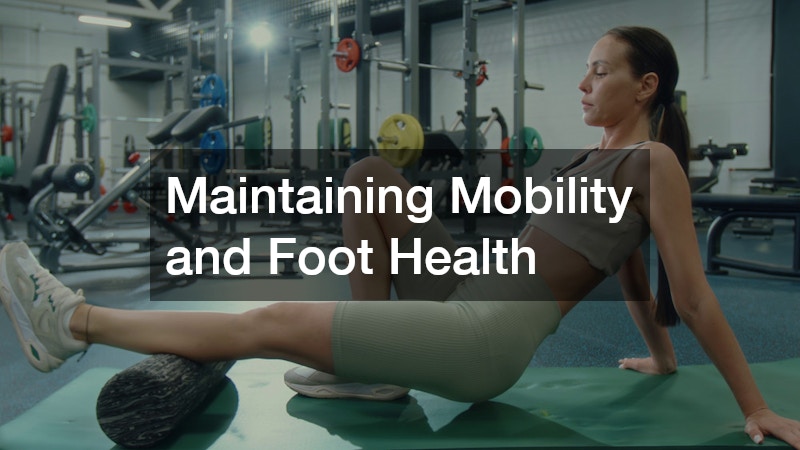
Mobility is essential for independence, and foot health plays a major role in maintaining an active lifestyle. Even minor foot issues can affect posture, balance, and overall comfort.
Regular podiatrists care can help identify structural issues, treat pain, and prevent long-term complications. Early intervention is especially important for individuals who spend long hours standing or walking.
To support foot health:
- Wear properly fitted, supportive footwear
- Avoid walking barefoot on hard surfaces for long periods
- Stretch feet and calves regularly
- Monitor for swelling, pain, or changes in skin condition
- Replace worn-out shoes promptly
Preventive care helps maintain mobility and comfort throughout life, reducing the risk of chronic pain or injury.
Planning for At-Home Support Needs
As health needs change over time, having a plan for additional support becomes increasingly important. Many individuals benefit from structured assistance that allows them to remain in familiar environments while receiving necessary care.
Home health care services provide support such as medication management, daily living assistance, and basic medical monitoring. This type of care can greatly improve the quality of life for individuals recovering from illness or managing chronic conditions.
Key considerations include:
- Evaluating current and future care needs
- Identifying trusted care providers
- Creating a safe and accessible home environment
- Planning for mobility and daily assistance requirements
- Establishing communication routines with caregivers
Proactive planning ensures smoother transitions and reduces stress for individuals and families alike.
Monitoring Hearing and Sensory Health
Hearing is a critical but often overlooked part of overall health. Gradual changes in hearing can go unnoticed until they begin to affect communication and quality of life.
Regular evaluations through hearing services help detect early signs of hearing decline and provide appropriate interventions when needed.
Important habits include:
- Avoiding prolonged exposure to loud noise
- Using protective ear devices in noisy environments
- Scheduling regular hearing assessments
- Monitoring changes in conversation clarity
- Addressing symptoms like ringing or muffled sound early
Maintaining hearing health supports social engagement, cognitive function, and overall well-being.
Creating a Coordinated Health System
A strong health maintenance plan requires organization and coordination. Managing multiple providers, appointments, and records can become overwhelming without a structured system.
An effective approach includes:
- Keeping a centralized record of medical history
- Tracking medications, dosages, and schedules
- Organizing appointment calendars in one place
- Communicating clearly between different care providers
- Reviewing health goals regularly
Digital tools or physical planners can help streamline this process. The goal is to ensure that all aspects of care work together seamlessly rather than in isolation.
Building Sustainable Lifestyle Habits
Long-term health is strongly influenced by daily habits. Small, consistent actions often have a greater impact than occasional large changes.
Key lifestyle foundations include:
- Eating balanced meals with whole foods
- Staying physically active with regular movement
- Prioritizing 7–9 hours of sleep per night
- Managing stress through relaxation techniques
- Limiting processed foods and excessive sugar
Creating realistic, enjoyable routines increases the likelihood of long-term success. Sustainability is more important than perfection when it comes to health maintenance.
Reviewing and Adjusting Your Health Plan
A personal health maintenance plan should evolve over time. As life circumstances change, so do health needs, risks, and priorities.
Regular review helps ensure your plan remains effective and relevant. This includes:
- Assessing progress toward health goals
- Updating routines based on age or lifestyle changes
- Incorporating new medical recommendations
- Adjusting exercise and nutrition plans as needed
- Reflecting on overall well-being and energy levels
Staying flexible allows you to adapt without losing consistency. A strong plan is not static—it grows with you.
A strong personal health maintenance plan is built through consistency, awareness, and proactive decision-making. By combining preventive care, emotional support, lifestyle habits, and organized systems, you create a foundation that supports long-term well-being.
Health is not something to manage only when problems arise—it is something to nurture every day. With a structured approach, you can take control of your wellness journey and build a healthier, more balanced future.
