
Disclaimer: This website provides health information for educational purposes only and is not a substitute for professional medical advice, diagnosis, or treatment. Always seek the guidance of a qualified healthcare provider with any questions you may have.
Taking care of your health involves more than treating illnesses or addressing symptoms when they appear. Preventive care focuses on maintaining good health, identifying potential concerns early, and reducing the risk of conditions that could affect your quality of life. From childhood vaccinations and routine dental visits to adult health screenings and age-related assessments, preventive healthcare plays an important role at every stage of life. Developing healthy habits and keeping up with recommended medical appointments can help individuals stay healthier and make more informed decisions about their well-being.
However, preventive care needs change as people grow older. Children benefit from regular developmental assessments, immunizations, and nutritional guidance, while adults need to pay closer attention to routine screenings, heart health, mental well-being, and lifestyle-related risks. Older adults may require additional support with mobility, medication management, vision, hearing, and chronic condition monitoring. Understanding these changing needs makes it easier to establish a healthcare routine that remains relevant over time.
A well-rounded preventive care plan should also look beyond routine medical checkups. Oral hygiene, balanced nutrition, regular physical activity, sufficient sleep, and emotional wellness all contribute to long-term health. This preventive care essentials guide explores essential preventive care practices for different life stages, helping individuals and families understand which health priorities deserve attention and how consistent preventive habits can support a healthier future.
- Start With a Personalized Preventive Care Plan
- Build Healthy Habits During Childhood and Adolescence
- Maintain Preventive Care During Young Adulthood
- Protect Mobility and Physical Function as You Age
- Make Mental and Behavioral Health Part of Prevention
- Support Skin Health With Consistent Preventive Habits
- Prepare for Changing Healthcare Needs in Middle Age
- Create a Practical Plan for Family Caregiving
- Adapt Preventive Care for Older Adults
- Use Every Healthcare Visit as a Prevention Opportunity
- Make Preventive Care Easier to Maintain Long Term
- Make Health a Lifelong Commitment
Start With a Personalized Preventive Care Plan

One of the most effective ways to approach prevention is to create a plan based on individual needs rather than following a generic checklist. Age, family history, lifestyle, previous health concerns, medications, and daily activities can all influence which preventive services are appropriate.
Begin by keeping an organized record of appointments, screenings, medications, allergies, and recommendations from healthcare professionals. This information can make appointments more productive and help different providers understand the bigger picture.
A practical preventive plan may include:
- Scheduling routine wellness appointments before symptoms develop.
- Reviewing family health history and sharing relevant information with healthcare professionals.
- Keeping vaccinations and recommended screenings current.
- Tracking recurring symptoms instead of dismissing them.
- Setting reminders for annual or periodic appointments.
- Reviewing the plan whenever health needs or circumstances change.
Prevention should be flexible. A person recovering from an injury may have different priorities than someone managing a chronic condition, while a healthy young adult may focus more heavily on establishing sustainable habits.
Build Healthy Habits During Childhood and Adolescence
Preventive care begins long before adulthood. Children and teenagers benefit from developing habits that support healthy growth, emotional well-being, movement, sleep, nutrition, and hygiene.
Parents and caregivers can help children understand that healthcare appointments are a normal part of staying healthy, rather than something that only happens when they are sick. Teaching children to communicate symptoms, ask questions, and participate in age-appropriate health decisions can also build confidence.
Oral health deserves particular attention during these years. Daily brushing and flossing, balanced nutrition, and regular professional appointments can establish habits that continue into adulthood.
Families can encourage healthy routines by:
- Establishing consistent sleep schedules.
- Encouraging regular physical activity.
- Providing balanced meals and nutritious snacks.
- Teaching children effective hygiene practices.
- Keeping routine health and appointments with your dental office.
- Discussing emotional and social concerns openly.
Early attention to recurring pain, developmental concerns, vision changes, or other unusual symptoms can also help families determine whether additional evaluation is needed.
Make Routine Oral Hygiene a Daily Priority

Oral health is closely connected to overall wellness, making prevention particularly important. Daily brushing and flossing help remove plaque and food particles, while professional care provides opportunities to identify concerns that may not be obvious at home.
Regular dental cleaning can help maintain oral hygiene and give dental professionals an opportunity to monitor changes over time. These appointments should complement—not replace—consistent home care.
Routine visits with a dentist can also provide guidance about brushing techniques, flossing, nutrition, tooth sensitivity, gum health, and other concerns. Individuals should not wait until significant pain occurs before seeking dental care.
Helpful habits include:
- Brushing twice daily with fluoride toothpaste.
- Cleaning between teeth regularly.
- Limiting frequent consumption of sugary foods and drinks.
- Replace toothbrushes or brush heads as recommended.
- Reporting persistent sensitivity, bleeding, swelling, or pain.
- Maintaining regular professional appointments.
Maintain Preventive Care During Young Adulthood
Young adulthood can be a time when preventive care gets overlooked. People may feel healthy and assume routine appointments are unnecessary, particularly when work, education, relationships, and other responsibilities take priority.
However, establishing consistent healthcare habits during these years can make prevention easier later. Adults should understand which routine screenings, vaccinations, and examinations are appropriate for their age and individual risk factors.
Lifestyle choices also become increasingly important. Sleep deprivation, prolonged stress, sedentary work, poor nutrition, and insufficient physical activity can gradually affect health even when no immediate symptoms are present.
A strong foundation includes:
- Getting consistent, adequate sleep.
- Eating a varied and nutritious diet.
- Participating in regular physical activity.
- Managing stress through sustainable strategies.
- Avoiding tobacco and other harmful substances.
- Maintaining routine healthcare appointments.
Young adults should also pay attention to persistent changes rather than assuming discomfort or unusual symptoms will disappear on their own.
Address Physical Discomfort Before It Becomes Persistent

Minor aches and stiffness may occur occasionally, but recurring discomfort warrants attention. Posture, workplace ergonomics, physical activity, injuries, and other factors can contribute to musculoskeletal problems.
For appropriate individuals, local chiropractic services may be one component of a broader approach to addressing certain musculoskeletal concerns. A chiropractor can evaluate movement-related complaints and discuss strategies that may support mobility and physical function.
Preventive physical care can also include simple daily practices such as:
- Taking regular breaks from prolonged sitting.
- Adjusting desks and computer screens for better ergonomics.
- Incorporating stretching and mobility exercises.
- Building strength gradually.
- Using proper technique during physical activity.
- Seeking professional evaluation when pain persists or worsens.
The goal is not to ignore symptoms or self-diagnose their cause. Persistent, severe, or unexplained pain should be appropriately evaluated so the underlying issue can be addressed.
Protect Mobility and Physical Function as You Age
Maintaining mobility becomes increasingly important as people grow older. Strength, balance, flexibility, coordination, and comfortable movement all contribute to independence and daily functioning.
Preventive strategies can include regular physical activity, strength exercises, balance training, appropriate footwear, and home safety improvements. People should also pay attention to changes in walking patterns, recurring foot discomfort, or difficulty performing activities that were previously easy.
An orthotic service may be appropriate in some circumstances when an individual needs professional assessment for certain foot, alignment, or gait-related concerns. Proper evaluation is important because foot discomfort can have multiple potential causes.
Older adults can support mobility by:
- Participating in appropriate strength and balance exercises.
- Wearing supportive, properly fitting footwear.
- Removing common trip hazards from living spaces.
- Addressing recurring foot or joint discomfort.
- Discussing changes in balance with a healthcare professional.
- Staying physically active within individual capabilities.
Preventive mobility care is ultimately about maintaining function and independence for as long as possible.
Make Mental and Behavioral Health Part of Prevention
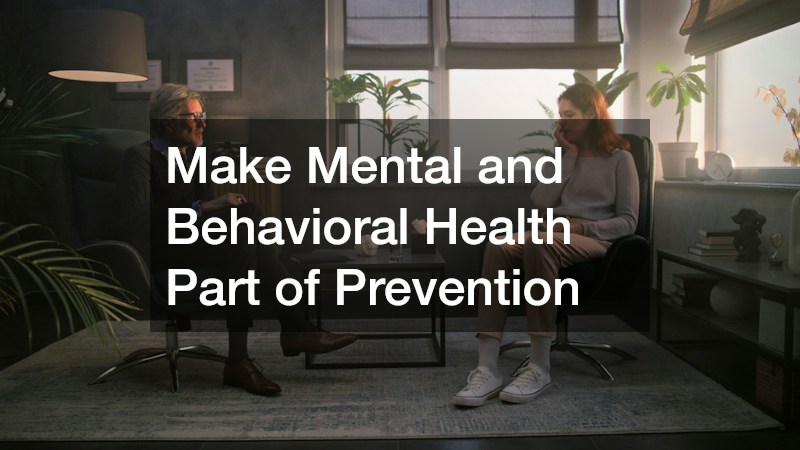
Preventive care should address emotional and behavioral well-being as well as physical health. Stress, isolation, sleep difficulties, and untreated emotional concerns can affect relationships, work, physical health, and quality of life.
People can incorporate mental health prevention into everyday routines by maintaining social connections, developing healthy stress-management strategies, getting adequate rest, and recognizing changes in mood or behavior.
It is also important to take concerning patterns seriously. Changes in substance use, for example, can sometimes develop gradually and become more difficult to address when ignored.
Know When Additional Recovery Support May Help
People experiencing problems related to substance use may benefit from seeking professional support before a situation reaches a crisis point. Addiction rehab can provide structured treatment and support for individuals who need help addressing substance use and developing healthier patterns.
Rehab therapy may also be part of an individual’s recovery process, depending on the type of treatment and personal needs. Professional treatment can address more than substance use alone by helping people develop strategies for managing triggers, rebuilding routines, and working toward sustainable recovery.
Warning signs that may warrant professional discussion include:
- Substance use is interfering with work, school, or relationships.
- Increasing difficulty in controlling use.
- Continuing use despite negative consequences.
- Withdrawal from previously important activities.
- Repeated attempts to stop without success.
- Concern from family members or trusted friends.
Seeking help does not need to wait until circumstances become severe. Early conversations with qualified professionals can help individuals understand available options.
Support Skin Health With Consistent Preventive Habits
Skin care is another part of maintaining overall wellness. Daily habits such as sun protection, gentle cleansing, adequate hydration, and awareness of skin changes can help people take a proactive approach.
Professional facial treatments may complement an individual’s regular skin-care routine by addressing specific cosmetic or skin-maintenance goals. However, professional services should complement rather than replace basic daily practices and appropriate medical evaluation.
Practical skin-care habits include:
- Using sun protection consistently.
- Avoiding excessive tanning and sun exposure.
- Choosing products appropriate for individual skin needs.
- Maintaining adequate hydration.
- Avoiding unnecessary irritation from harsh products.
- Paying attention to new or changing skin concerns.
Any persistent, unusual, painful, or changing skin condition should be discussed with an appropriately qualified healthcare professional rather than treated solely as a cosmetic concern.
Prepare for Changing Healthcare Needs in Middle Age
Middle age can bring new preventive priorities. Certain chronic health risks may become more relevant, while busy schedules can make it tempting to postpone appointments.
Regular health assessments provide opportunities to discuss factors such as blood pressure, cholesterol, blood sugar, weight, sleep, stress, nutrition, and physical activity when appropriate. Recommended screenings also change with age and individual risk factors, so people should discuss their needs with healthcare professionals.
This stage is also a good time to review lifestyle patterns honestly. Small, sustainable changes can be more practical than attempting a complete lifestyle overhaul.
Consider:
- Scheduling overdue routine appointments.
- Reviewing current medications and supplements.
- Monitoring changes in energy, sleep, or physical function.
- Making realistic improvements to nutrition and activity.
- Maintaining social and emotional connections.
- Discussing family health history with healthcare professionals.
Preventive care works best when it becomes part of everyday life rather than something addressed only after a problem develops.
Create a Practical Plan for Family Caregiving
As family members age or develop health challenges, preventive care may become a shared responsibility. Caregivers often help loved ones manage appointments, medications, transportation, health records, and follow-up recommendations.
Keeping organized information can reduce confusion and make communication with healthcare professionals easier. Caregivers can maintain a current medication list, note changes in symptoms or daily functioning, and help loved ones prepare questions before appointments.
At the same time, caregivers should protect their own health. Regular breaks, adequate sleep, social support, exercise, and personal healthcare appointments can help prevent caregiving responsibilities from consuming every aspect of daily life.
Adapt Preventive Care for Older Adults
In later life, prevention often focuses on preserving independence, comfort, mobility, and quality of life. Health needs can change quickly, making regular communication particularly important.
Older adults and their families can discuss medication management, nutrition, physical activity, fall prevention, vision, hearing, mobility, and other age-related concerns with appropriate professionals.
Changes in daily functioning can provide important clues that additional support may be needed. Difficulty walking, repeated falls, unexplained weight changes, memory concerns, or trouble completing familiar activities should not automatically be dismissed as normal aging.
A personalized approach is essential. Preventive care should reflect an individual’s health history, goals, preferences, living environment, and ability to participate in daily activities.
Use Every Healthcare Visit as a Prevention Opportunity
Appointments are most useful when patients actively participate. Before a visit, write down questions, symptoms, medication changes, and other relevant information.
During appointments, ask which screenings or preventive services are appropriate and when they should be repeated. If multiple professionals are involved in care, keeping records organized can help prevent important information from being overlooked.
After an appointment, follow through with recommended testing, referrals, lifestyle changes, or follow-up visits. Prevention loses much of its value when recommendations are repeatedly postponed.
Make Preventive Care Easier to Maintain Long Term
The most effective preventive routine is one that can realistically become part of everyday life. Instead of trying to address every health goal at once, divide responsibilities into manageable tasks.
For example, a person might use a calendar to track annual appointments, monthly health goals, medication refills, and recurring screenings. Digital reminders can also help people remember appointments and follow-up dates.
Most importantly, preventive care should evolve. A new job, injury, caregiving responsibility, diagnosis, or lifestyle change may require adjustments to an existing health plan.
Make Health a Lifelong Commitment
Building a healthier future starts with recognizing that well-being requires consistent effort and informed choices. While medical needs and personal circumstances will evolve, having reliable healthcare providers, understanding individual risk factors, and staying informed about recommended health practices can make it easier to navigate these changes. Taking time to review personal health goals and adjust routines when necessary also helps ensure that care remains appropriate and manageable.
It is equally important to make health a priority within the household and community. Encouraging children to develop healthy habits, supporting adults in balancing their responsibilities, and helping older family members maintain their independence can create a more supportive environment for everyone. Open conversations about health concerns can also make it easier to seek assistance before difficulties become more complicated.
Ultimately, looking after your health is not about achieving perfection or following a rigid routine. It is about making thoughtful decisions, recognizing when professional support is needed, and building habits that can be maintained over time. With patience and consistency, these efforts can contribute to a healthier, more active, and fulfilling life at every age.
