
Disclaimer: This website provides health information for educational purposes only and is not a substitute for professional medical advice, diagnosis, or treatment. Always seek the guidance of a qualified healthcare provider with any questions you may have.
A little soreness after a workout or a minor bump is usually nothing to worry about, and rest and ice can work wonders for everyday aches. But pain that lingers, worsens, or changes character is your body sending a signal that something bigger may be going on. Knowing when to move past home remedies and seek professional evaluation can prevent a minor issue from becoming a chronic or dangerous one. This guide walks through the warning signs that mean it is time to take your pain more seriously.
- Persistent Joint Pain That Does Not Improve With Rest
- Numbness or Tingling That Spreads Beyond the Injury Site
- Sudden Onset Pain After an Accident or Fall
- Pain That Limits Daily Function or Independence
- Fever, Redness, or Warmth Around an Injured Area
- Chronic Pain That Has Not Responded to Conservative Care
- Pain in Children That Does Not Match a Minor Bump
- Pain Tied to Weight, Joint Stress, or Metabolic Factors
- Recovery Support Beyond Physical Pain Management
- Regenerative Options Worth Discussing With a Specialist
Persistent Joint Pain That Does Not Improve With Rest
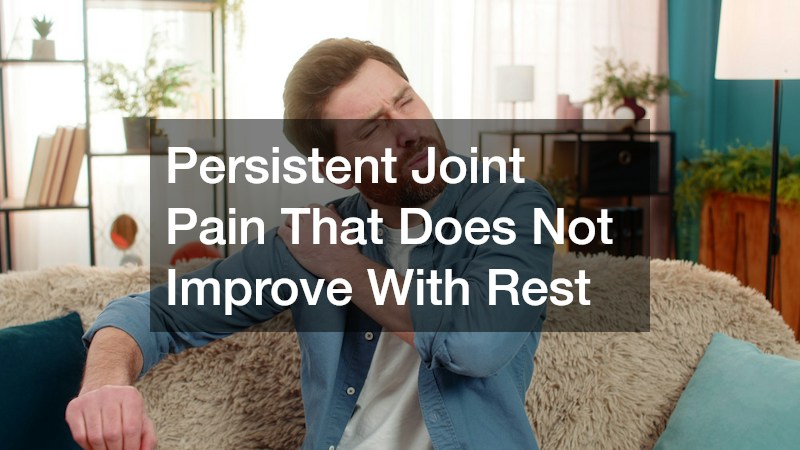
When joint pain sticks around for more than a week or two despite rest, elevation, and icing, it is often a sign of underlying tissue damage rather than simple inflammation. Cartilage tears, ligament sprains, and early arthritis can all masquerade as ordinary stiffness at first, then gradually worsen without proper diagnosis. Ignoring this pattern often leads people to compensate with poor movement habits, which can create secondary problems in the hips, back, or opposite limb.
If you notice swelling that keeps returning after it seems to subside, that is another red flag worth paying attention to. Many people explore shoulder pain treatments only after months of self-managing discomfort that a physical therapist or orthopedic specialist could have addressed much sooner. Getting an evaluation early often means a shorter recovery timeline overall.
Numbness or Tingling That Spreads Beyond the Injury Site
Pain that comes with numbness, tingling, or a pins-and-needles sensation reaching into your fingers, toes, or another limb suggests nerve involvement, not just muscle or joint strain. This kind of referred sensation can indicate a pinched nerve, herniated disc, or nerve compression that will not resolve with ice alone. Sciatica is a common example: pain that starts in the lower back or buttock and radiates down one leg often points to a compressed spinal nerve rather than a simple muscle pull. Pay attention to the pattern of where the sensation travels, since it often points to which nerve is affected. Numbness in the thumb and index finger, for instance, may signal carpal tunnel syndrome, while tingling down the outside of the leg into the foot often traces back to the lower spine. Symptoms that worsen when you sit, bend, or hold a certain position for a while are another clue that a nerve is being pinched rather than a muscle simply being sore. The longer nerve compression continues untreated, the higher the risk of permanent nerve damage or muscle weakness in the affected area. Left unaddressed for weeks or months, some nerve injuries can lead to lasting loss of sensation, reduced grip strength, or a noticeable limp. If you notice numbness spreading, tingling that lingers for more than a few days, or any weakness in the hand or foot on the affected side, it’s time to see a doctor rather than wait it out.
- Tingling that reaches past the wrist or ankle into fingers or toes, especially if it follows a specific finger (like the pinky and ring finger) or the outer edge of the foot
- Weakness when gripping objects, opening jars, standing on one leg, or noticing one foot “slapping” the ground while walking
- A burning, electric, or “pins and needles” sensation rather than dull soreness, sometimes described as feeling like an electric shock down the arm or leg
- Symptoms that worsen at night, wake you from sleep, or flare with specific neck or back positions, such as looking down at a phone or arching the lower back
- Numbness lasting more than a few minutes after the triggering position has stopped, rather than resolving quickly like a limb “falling asleep”
Sudden Onset Pain After an Accident or Fall
Pain that shows up immediately after a car accident, sports collision, or hard fall deserves prompt attention, even if you can technically still move the affected area. Adrenaline and endorphins flood the body during a traumatic event, and this natural chemical response often masks the true severity of an injury in the first few hours. That is why people sometimes walk away from accidents feeling fine, only to wake up the next morning barely able to get out of bed. Whiplash injuries are a classic example of this delayed reaction, since neck stiffness and headaches frequently do not peak until a day or two after the initial impact. The same delayed pattern shows up with soft tissue damage to ligaments and tendons, which can swell and stiffen well after the incident itself. Concussions follow a similar timeline too, with symptoms like dizziness, nausea, or difficulty concentrating sometimes emerging hours later. Because of this lag, it is worth paying attention to certain warning signs in the days following any accident: pain that worsens rather than improves, new numbness or tingling, headaches that intensify, or stiffness that limits your range of motion more each day. Even a low-speed fender bender or a fall that seemed minor at the time can produce enough force to injure discs, joints, or soft tissue. When any of these patterns appear, it is a strong signal that the injury needs more than a few days of rest and ice to fully resolve.
When pain follows a fall, car accident, or sports collision, certain warning signs mean you shouldn’t wait it out at home. Severe pain that doesn’t ease within the first hour, visible deformity, or a joint that feels loose or unstable when you try to move it are all red flags. So is numbness, tingling, or a limb that looks discolored or unusually cold to the touch. An emergency clinic visit is the safer choice in these situations, even if you’re not sure how serious the injury really is. Emergency medical staff have access to X-rays and imaging that can rule out fractures, internal injuries, or spinal issues that a home ice pack simply cannot fix. They can also catch things you might miss, like a hairline fracture that feels like a bad bruise or a ligament tear that seems like a minor sprain. Timing matters too. Some fractures and internal injuries don’t show their full severity until swelling sets in hours later, so a same-day evaluation gives doctors the clearest picture. Waiting a day or two to “see if it gets better” can sometimes turn a simple fix into a more complicated one. Trusting your gut when something feels seriously wrong is almost always the right call. If you find yourself hesitating, ask a simple question: would you feel comfortable driving on that leg or lifting with that shoulder tomorrow? If the answer is no, it’s worth getting checked.
Pain That Limits Daily Function or Independence

One of the clearest signs that pain has moved beyond a minor issue is when it starts interfering with basic daily tasks like climbing stairs, dressing yourself, or standing at the sink to cook. This kind of functional limitation often points to a deeper structural problem, whether in a joint, tendon, or the spine itself. Waiting too long to address it can lead to muscle deconditioning, which makes recovery even harder later on.
For some people, especially older adults recovering from surgery or a serious injury, temporary mobility aids can bridge the gap while healing continues. A mobility scooter can restore a sense of independence for someone who cannot yet walk long distances without pain, allowing them to keep up with errands and social activities during recovery. The goal is always to use these tools as a bridge, not a permanent replacement for addressing the root cause.
Fever, Redness, or Warmth Around an Injured Area

Pain accompanied by fever, red streaking, or skin that feels noticeably warm to the touch can signal an infection, which is a medical concern that ice and rest will not resolve. This is especially true for injuries involving broken skin, puncture wounds, or recent surgical sites. Infections can spread quickly through soft tissue and, in rare cases, into the bloodstream if left untreated.
A same-day visit to an urgent care center is usually the right move if you notice these symptoms developing, since providers there can assess whether antibiotics or further imaging are needed. Urgent care facilities are generally equipped to handle wound care, minor fractures, and infections without the wait times associated with a hospital emergency room. Catching a soft tissue infection early almost always leads to a simpler treatment course.
Chronic Pain That Has Not Responded to Conservative Care
When pain has lasted more than three months despite consistent rest, stretching, and over-the-counter medication, it has crossed into chronic territory and likely needs a more targeted approach. Chronic pain can result from repetitive strain, old injuries that never fully healed, or degenerative changes in joints and soft tissue. At this stage, it is worth discussing advanced treatment options with a doctor rather than continuing to self-manage.
Regenerative and non-invasive options have expanded significantly in recent years, giving patients more choices before considering surgery. Cold laser therapy uses focused light wavelengths to reduce inflammation and stimulate cellular repair in soft tissue, and many patients report noticeable improvement after a series of sessions. Discussing these options with a specialist can help you understand which approach fits your specific type of injury.
Pain in Children That Does Not Match a Minor Bump

Children are prone to bumps, scrapes, and minor falls, but certain pain patterns in kids warrant closer attention than a standard first-aid response. A child who refuses to bear weight on a limb, cries persistently when an area is touched, or develops swelling that increases rather than decreases over a few hours may have a fracture or sprain that needs imaging. Kids also often struggle to describe pain accurately, so behavioral changes like irritability or refusal to use a limb are important clues for parents.
A pediatric urgent care clinic is specifically equipped to evaluate injuries in children with age-appropriate tools and staff trained in working with young patients. These facilities can often perform X-rays and provide splinting on the spot, which spares families a longer wait at a general emergency room for non-life-threatening injuries. Choosing a pediatric-focused option can also make the experience less frightening for a scared or upset child.
Pain Tied to Weight, Joint Stress, or Metabolic Factors
Not all persistent pain originates from an acute injury; sometimes it is connected to excess weight placing ongoing stress on joints like the knees, hips, and lower back. Addressing the underlying metabolic or weight-related contributors can meaningfully reduce chronic joint pain over time, especially when combined with physical therapy or targeted exercise. This is why some physicians now discuss weight management medication as part of a broader pain reduction strategy.
GLP medications have become a more common part of these conversations, particularly for patients whose joint pain is compounded by excess body weight and related inflammation. While these medications are not a direct treatment for joint damage, reducing overall strain on weight-bearing joints can ease pain and improve mobility over months of use. Anyone considering this route should discuss it with their doctor alongside their existing pain management plan.
Recovery Support Beyond Physical Pain Management
Pain, especially chronic or injury-related pain, sometimes leads people toward medication misuse as they try to manage discomfort that has not responded to conventional treatment. This is a serious but often overlooked consequence of unresolved pain, and it deserves the same level of attention as the physical injury itself. Recognizing the signs of dependency early, such as escalating dosages or anxiety about running out of medication, can prevent a much harder recovery path later.
For those who find themselves struggling with dependency that started from pain management, structured environments like sober living homes can provide the stability needed to rebuild healthy habits while still addressing lingering physical pain. These programs often work alongside medical providers to ensure pain is managed safely without relying on the substances that caused the initial problem. Addressing both the physical and behavioral sides of pain recovery together tends to produce more lasting results.
Regenerative Options Worth Discussing With a Specialist
For pain related to soft tissue injuries, tendon degeneration, or joint wear that has not responded to standard treatment, regenerative medicine has opened up newer avenues worth exploring. These treatments aim to stimulate the body’s own healing response rather than simply masking pain with medication. They are not a fit for every condition, but for the right candidate, they can meaningfully change the recovery trajectory.
The P-Shot, a platelet-rich plasma injection technique, is one example of a regenerative treatment that some patients explore for pain and tissue repair when other conservative measures have plateaued. Treatments like this work by concentrating the body’s own healing factors and delivering them directly to the affected tissue, which can accelerate repair in some cases. As with any specialized treatment, it is worth having a detailed conversation with a qualified provider about realistic expectations and whether you are a good candidate.
Pain is your body’s way of asking for attention, and learning to distinguish ordinary soreness from a more serious warning sign can save you months of unnecessary suffering. If your discomfort lingers, spreads, or starts limiting your daily life, it is worth scheduling an evaluation rather than continuing to wait it out. Taking that step early gives you access to a wider range of treatment options and a much better chance at a full, lasting recovery.
