
Disclaimer: This website provides health information for educational purposes only and is not a substitute for professional medical advice, diagnosis, or treatment. Always seek the guidance of a qualified healthcare provider with any questions you may have.
Growing older doesn’t have to mean slowing down or accepting constant aches, fatigue, and health scares as the new normal. With a proactive approach to preventive care, you can maintain your strength, mobility, and independence well into your later years. The key is building a routine that addresses your body’s changing needs before small issues become big problems. This article walks through practical, real-world steps you can take starting today to age strong rather than simply age.
- Establishing a Solid Medical Home Base
- Supporting Spinal Health and Everyday Mobility
- Understanding Hormonal Shifts and Energy Levels
- Protecting Your Joints and Bone Density
- Staying Active with the Right Guidance.
- Recovering Well After Injury or Surgery
- Addressing Hearing Changes Before They Worsen
- Building a Support System at Home
- Creating a Weekly Routine That Ties It All Together
Establishing a Solid Medical Home Base

The foundation of any effective aging strategy starts with consistent medical oversight. A primary care doctor who knows your history, tracks your bloodwork over time, and catches subtle changes early is one of the most valuable resources you have as you age. Annual physicals, updated vaccinations, and routine screenings for blood pressure, cholesterol, and blood sugar all happen through this relationship.
Many people only see a doctor when something feels wrong, but preventive visits are designed to catch problems before symptoms appear. Building a long-term relationship with one provider also means fewer repeated tests and better continuity of care across specialists.
- Schedule annual wellness visits even when you feel fine
- Keep an updated list of medications and supplements to review at each appointment
- Ask about age-appropriate screenings such as colonoscopies, mammograms, or bone density scans
- Track family health history to flag risks early
Supporting Spinal Health and Everyday Mobility
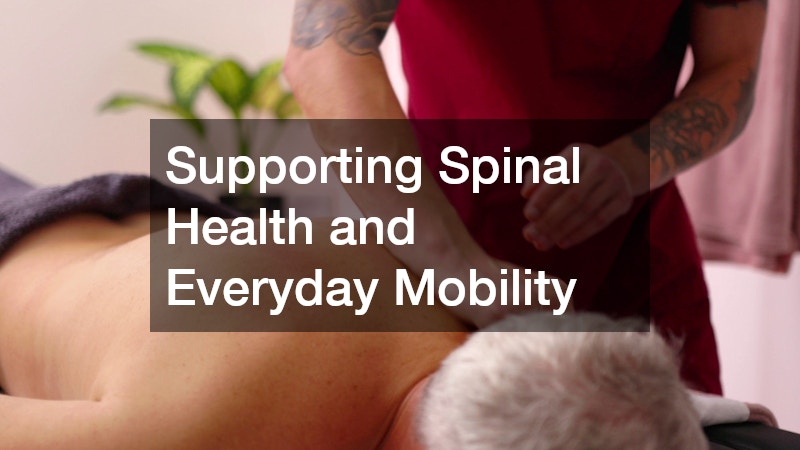
Back and neck pain often gets dismissed as an inevitable part of getting older, but ongoing discomfort can signal alignment issues that worsen without attention. A family chiropractor can offer regular adjustments that improve posture, reduce nerve compression, and ease tension that builds up from years of daily wear and tear. These visits are especially helpful for people who spend a lot of time sitting, gardening, or lifting around the house.
Consistent chiropractic care isn’t just about pain relief in the moment; it can also improve balance and range of motion, both of which reduce fall risk. Pairing periodic adjustments with simple daily stretches keeps the spine flexible and supports better movement patterns overall.
- Watch for warning signs like stiffness after sitting, tingling in the arms or legs, or uneven shoulder height
- Combine adjustments with gentle daily stretching routines
- Ask about posture assessments during routine visits
Understanding Hormonal Shifts and Energy Levels
Hormonal changes affect nearly everyone as they age, often showing up as fatigue, mood swings, weight changes, or disrupted sleep. For women, perimenopause typically begins in the mid-to-late 40s and brings fluctuating estrogen and progesterone that can trigger hot flashes, brain fog, and irregular cycles for several years before menopause fully sets in. Men, meanwhile, often experience a gradual decline in testosterone of about 1% per year after age 30, which can manifest as reduced muscle mass, lower libido, and persistent tiredness.
Thyroid function is another common culprit, and it’s frequently overlooked because symptoms like weight gain, cold sensitivity, and low energy mimic normal aging. A simple blood panel checking TSH, free T4, and sex hormone levels can help clarify what’s actually going on rather than leaving it to guesswork.
Tracking symptoms over a few weeks—noting sleep patterns, energy dips, mood changes, or cycle irregularities—gives both patients and providers more useful data than a vague complaint of “feeling off.” Talking with a healthcare provider about these symptoms rather than assuming they’re just part of getting older is an important first step, and it opens the door to options like hormone therapy, lifestyle adjustments, or targeted supplementation when appropriate.
As we age, shifts in estrogen, testosterone, and thyroid hormones can leave us feeling foggy, fatigued, or less resilient than before. These changes often show up gradually — trouble sleeping through the night, slower recovery after exercise, or a noticeable dip in muscle tone — making them easy to dismiss as “just getting older” rather than signals worth investigating.
Hormone replacement therapy, when appropriately monitored, can help restore energy, improve sleep quality, and support bone and muscle health for some individuals. For women navigating perimenopause and menopause, this might mean estrogen or progesterone therapy to ease hot flashes and protect bone density. For men experiencing low testosterone, treatment may focus on rebuilding muscle mass, stabilizing mood, and improving libido.
It isn’t the right fit for everyone, so working with a provider who reviews bloodwork, family history, and personal risk factors — such as cardiovascular disease or certain cancers — is essential before starting any treatment. A thorough baseline panel typically checks levels of estradiol, testosterone, TSH, and cortisol to pinpoint exactly where imbalances exist.
Ongoing check-ins, often every three to six months in the first year, ensure dosages stay appropriate as your body continues to change. These follow-ups also give you and your provider a chance to reassess whether hormone replacement remains the right approach as new symptoms or lab results emerge over time.
- Common symptoms worth discussing include persistent fatigue, night sweats, mood changes, brain fog, and unexplained weight fluctuations
- Track symptom patterns and frequency for a few weeks before appointments to give your doctor useful context
- Bloodwork can identify specific hormone imbalances, including thyroid (TSH), cortisol, testosterone, estrogen, and progesterone levels
- Fasting and time-of-day requirements vary by test, so confirm lab instructions in advance to avoid skewed results
- Treatment plans should be reviewed periodically, not set and forgotten, since hormone needs shift with age, stress, and lifestyle changes
- A general guideline is a check-in every 6-12 months, or sooner if new symptoms emerge or side effects appear
Protecting Your Joints and Bone Density
Joint pain and reduced bone density are among the most common complaints as people age, particularly in the knees, hips, and shoulders. An orthopedic specialist can evaluate persistent pain, stiffness, or swelling to determine whether it stems from arthritis, old injuries, or structural wear that has built up over decades. Catching these issues early often means more treatment options and less invasive interventions down the road.
Beyond diagnosing problems, orthopedic evaluations often include imaging that tracks changes over time, giving you a clearer picture of how your joints are holding up. Simple lifestyle adjustments, like modifying high-impact activities or using supportive footwear, can significantly extend joint function.
- Persistent joint pain lasting more than a few weeks deserves professional evaluation
- Weight-bearing exercise supports bone density when done safely
- Supportive footwear and joint braces can reduce daily strain
Staying Active with the Right Guidance.

Exercise remains one of the most powerful tools for aging well, but the type and intensity of activity matter more as bodies change. Working with personal trainers who have experience designing programs for older adults ensures you’re building strength safely, without risking injury from improper form or overexertion. A good trainer will also adjust workouts around any existing joint or mobility limitations.
Strength training helps preserve muscle mass, which naturally declines with age, while balance work reduces fall risk substantially. Sessions don’t need to be lengthy or intense to be effective; consistency matters far more than duration.
- Aim for two to three strength sessions per week
- Include balance exercises like single-leg stands or heel-to-toe walking
- Prioritize proper form over heavier weights or faster reps
- Rest days are just as important as workout days
Recovering Well After Injury or Surgery

Injuries and surgeries become more common with age, and how you recover matters just as much as the initial treatment. Physical therapy plays a central role in rebuilding strength and mobility after events like joint replacements, fractures, or muscle strains. A skilled therapist designs a progressive plan that restores function while protecting the area from re-injury.
For more significant recoveries, structured physical rehab programs offer a higher level of supervised care, often combining therapy sessions with monitored exercise equipment and progress tracking. These programs are especially valuable after major surgeries like hip or knee replacements, where a slow, guided return to activity makes a real difference in long-term outcomes.
- Follow prescribed exercises consistently, even after pain subsides
- Communicate openly with your therapist about pain levels during recovery
- Ask about home exercise programs to reinforce clinic sessions
Addressing Hearing Changes Before They Worsen
Hearing loss often develops so gradually that people don’t notice it until family members point out the volume on the television or repeated requests to repeat conversations. Untreated hearing loss has been linked to increased risk of cognitive decline, social isolation, and even falls, making it far more than a minor inconvenience. Regular hearing screenings should become part of your routine health checkups, especially after age fifty.
Modern hearing aids have improved dramatically in both comfort and sound quality, with many models now offering Bluetooth connectivity and rechargeable batteries. Getting fitted properly by an audiologist ensures the devices actually address your specific type of hearing loss rather than simply amplifying all sound indiscriminately.
- Schedule a baseline hearing test if you haven’t had one recently
- Watch for signs like turning up volume, avoiding phone calls, or struggling in group conversations
- Ask about trial periods when considering hearing aids
Building a Support System at Home
Independence is important, but recognizing when extra help is needed at home can prevent accidents and reduce stress on family members. Watch for warning signs like missed medication doses, unopened mail piling up, difficulty with stairs, or a noticeable decline in home cleanliness—these are often early indicators that daily life has become harder to manage alone.
Companion care services provide assistance with daily tasks like meal preparation, light housekeeping, and transportation to appointments or social outings, while also offering the kind of social interaction that supports emotional wellbeing. Many families start with just a few hours a week, a few days per visit, and adjust the schedule as needs change over time.
Beyond hired help, a strong home support system often includes family members sharing responsibilities, such as one person handling grocery runs while another manages bill payments or check-in calls. Simple tools like pill organizers, medical alert devices, and shared digital calendars can also reinforce the human support already in place.
This kind of layered support is often the difference between staying safely at home and needing a higher level of care sooner than necessary. Investing in it early not only protects physical safety but also preserves the independence and dignity that make aging in place worthwhile.
As needs increase, broader senior care services can step in to coordinate medical appointments, manage medications, and provide more hands-on assistance with daily living activities like bathing, dressing, and meal preparation. These services range from a few hours of in-home help each week to full-time live-in aides, so costs and coverage can vary widely—often anywhere from $25 to $35 an hour for part-time support.
Families benefit from exploring these options before a crisis forces a rushed decision, giving everyone time to research licensed agencies, check reviews, and compare costs. Starting the conversation early also allows aging parents to weigh in on their own preferences, whether that means occasional check-ins or more comprehensive daily care, rather than having decisions made for them during an emergency.
- Start conversations about home support early, before a fall, diagnosis, or hospital stay forces a rushed decision
- Use natural openings—like after a doctor’s visit or a friend’s health scare—to raise the topic without it feeling like an intervention
- Consider part-time help for everyday tasks such as grocery shopping, meal prep, light housekeeping, or transportation to appointments
- Even a few hours a week of assistance can reduce fall risk and ease the mental load of daily logistics
- Look into local agencies offering flexible, scalable care plans that can start small and expand as needs change
- Ask providers about caregiver vetting, backup staffing, and typical hourly rates (often $25-$35) before committing
Creating a Weekly Routine That Ties It All Together
Preventive care works best when it’s woven into a consistent weekly rhythm rather than treated as a series of separate appointments. A practical framework might include 150 minutes of moderate exercise spread across three to five days, two dedicated strength-training sessions, seven to eight hours of nightly sleep, and one designated day for meal prep or health-related errands like refilling prescriptions.
Blocking out time each week for movement, rest, and health check-ins turns good intentions into lasting habits. For example, scheduling a 20-minute walk after lunch on weekdays or a Sunday evening check-in to review symptoms, medications, or upcoming appointments keeps preventive care visible rather than an afterthought.
Even small, repeated actions compound significantly over months and years. A single missed workout or skipped stretch session rarely matters, but the cumulative effect of showing up consistently—week after week—is what ultimately builds resilience, mobility, and long-term health.
Consider mapping out a simple weekly template that balances medical care, physical activity, and social connection. For example, you might schedule strength training on Monday and Thursday, a 30-minute walk with a neighbor on Tuesday and Saturday, and a check-in call with family on Sunday, reserving one weekday morning each month for medical appointments or lab work.
Reviewing this routine every three to four months allows you to adjust as your needs change—swapping in a new class, adding a specialist visit, or scaling back activity after an illness. This periodic check-in keeps the plan realistic and sustainable rather than rigid.
- Two to three days for strength and balance exercises, such as bodyweight squats, resistance bands, or tai chi
- One day for stretching, chiropractic care, or gentle recovery work like foam rolling or restorative yoga
- One full rest day to let joints and muscles recover between sessions
- Monthly review of medications, dosages, and upcoming appointments, including screenings for blood pressure, cholesterol, or bone density
- Quarterly check-ins with a primary care provider to track progress and adjust the plan as needed
- Regular social activities—weekly walks with friends, group fitness classes, or family visits—to support mental and emotional health
- A shared calendar or app to keep workouts, appointments, and social plans visible in one place
Aging strong isn’t about chasing a single solution; it’s about layering small, consistent habits that protect your body, mind, and independence over time. Start by identifying one or two areas from this list where you’re currently falling short, whether that’s scheduling a screening you’ve been putting off or exploring support options for a loved one. Small steps taken now build the foundation for many active, healthy years ahead.
