
Disclaimer: This website provides health information for educational purposes only and is not a substitute for professional medical advice, diagnosis, or treatment. Always seek the guidance of a qualified healthcare provider with any questions you may have.
If you’re waking up tired despite a full night’s sleep, you’re not imagining it. Many people notice a real shift in their energy levels once they cross into their 40s, and simply sleeping more or pushing through with caffeine stops working the way it used to. Persistent fatigue at this stage of life is often a signal from your body that something deeper needs attention. Understanding the possible causes can help you figure out whether this is a normal part of aging or a sign to seek support.
- Why Fatigue Feels Different After Age 40
- When Hormonal Changes Are the Hidden Cause
- Getting Answers From a Medical Professional
- How Your Diet Might Be Draining Your Energy
- Movement and Muscle Loss as Energy Factors
- Chronic Pain and Structural Issues
- Mental Health, Stress, and Recovery
- Caregiving Fatigue and Family Responsibilities
- Recovery Time After Cosmetic or Medical Procedures
Why Fatigue Feels Different After Age 40
Fatigue in your 20s and 30s often responds well to a good night’s rest, but after 40 the body’s recovery systems slow down. Cellular repair, hormone production, and metabolic efficiency all decline gradually, which means the same amount of sleep may no longer restore you the way it once did. This shift doesn’t mean something is wrong, but it does mean your body needs a different approach to feel fully rested.
Many people describe this fatigue as a heavy, persistent tiredness that lingers throughout the day rather than a temporary dip in energy. It can affect concentration, mood, and motivation, making everyday tasks feel harder than they used to. Recognizing this pattern early is the first step toward addressing it properly instead of dismissing it as normal aging.
When Hormonal Changes Are the Hidden Cause

Hormones play a major role in regulating energy, and both men and women experience noticeable changes after 40. In men, declining testosterone levels can lead to reduced stamina, lower motivation, and difficulty building or maintaining muscle. For some, testosterone therapy becomes a topic worth discussing with a doctor once bloodwork confirms a deficiency, since correcting the imbalance can meaningfully restore energy and mental clarity.
Women going through perimenopause often experience similar fatigue tied to fluctuating estrogen and progesterone levels. These shifts can disrupt sleep quality, mood stability, and metabolism, compounding the sense of exhaustion. A hormone panel is often a useful starting point for anyone whose fatigue seems disconnected from lifestyle factors alone.
- Unexplained weight gain paired with low energy can point to hormonal shifts
- Reduced muscle strength despite regular activity may signal declining testosterone
- Irregular sleep and night sweats are common signs of hormonal fatigue in women
- Mood swings alongside physical tiredness often have a hormonal component
Getting Answers From a Medical Professional
Persistent fatigue should never be self-diagnosed indefinitely, especially when it lasts more than a few weeks. If tiredness persists beyond that window despite adequate sleep, it’s a signal worth taking seriously rather than pushing through.
A visit to a walk in clinic can be a practical first step for getting basic bloodwork done without waiting weeks for a specialist appointment. Most visits take under an hour, and many clinics offer same-day or next-day availability, which matters when fatigue is affecting work or daily function.
These visits can rule out common culprits like anemia, thyroid dysfunction, vitamin deficiencies, or blood sugar irregularities. A standard panel might include a complete blood count, TSH levels, vitamin D and B12, and fasting glucose or A1C, all of which can be flagged with a single blood draw.
It’s worth bringing a short symptom log to the appointment noting when fatigue is worst, sleep duration, and any other changes like weight fluctuation or mood shifts. This context helps the clinician decide whether further referral to a specialist, such as an endocrinologist or sleep physician, is warranted.
If initial testing doesn’t reveal a clear answer, your provider may refer you to a specialist for deeper investigation—an endocrinologist for hormone or thyroid imbalances, a sleep specialist if apnea or insomnia is suspected, or a cardiologist if fatigue is paired with shortness of breath or chest discomfort. It’s important not to let fatigue go unaddressed simply because initial tests come back normal, since some underlying conditions, like early-stage autoimmune disorders or subtle hormonal shifts, take more than one visit and repeated bloodwork to uncover.
Keeping a symptom journal before your appointment can help the provider identify patterns more quickly. Track daily sleep hours, energy levels on a simple 1-10 scale, meals, exercise, and stress levels for at least two weeks. Note any flare-ups tied to specific times of day, foods, or menstrual cycle phases, since these details often point investigators toward the right specialist faster than a single office visit could.
How Your Diet Might Be Draining Your Energy

What you eat has a direct impact on how consistent your energy feels throughout the day. Diets high in refined sugar and processed carbohydrates can cause blood sugar spikes followed by crashes, leaving you feeling foggy and drained by midafternoon. Many people over 40 find that shifting toward low carb meals built around lean protein, vegetables, and healthy fats helps stabilize their energy far more effectively than frequent snacking.
Hydration and micronutrient intake matter just as much as calorie balance. Deficiencies in iron, B12, and vitamin D are common contributors to fatigue and are often overlooked because their symptoms overlap with general tiredness. Small, consistent dietary changes tend to produce more lasting improvements than short-term extreme diets.
- Prioritize protein at breakfast to avoid early energy crashes
- Limit sugary drinks, which cause rapid blood sugar swings
- Include leafy greens and legumes for steady iron intake
- Space meals evenly to prevent long energy dips between them
Movement and Muscle Loss as Energy Factors
It may seem counterintuitive, but inactivity often worsens fatigue rather than relieving it. After 40, muscle mass naturally declines if it isn’t actively maintained, and less muscle means the body burns energy less efficiently. Regular strength training and cardiovascular activity help counteract this decline, improving circulation and boosting long-term stamina.
Finding a routine that fits your schedule matters more than finding a perfect one. Some people prefer joining a 24 hour gym near me search result so they can fit workouts in early mornings or late evenings around work and family obligations. Consistency, even in short sessions, tends to produce better energy results than occasional intense workouts.
Chronic Pain and Structural Issues

Ongoing pain, particularly in the back, neck, or joints, can quietly drain energy reserves without being an obvious cause of fatigue. Chronic discomfort forces the body to stay in a low-grade stress state, which interferes with restful sleep and increases overall tiredness. Many people don’t realize how much energy their body spends compensating for poor posture or misalignment until it’s addressed.
Some individuals find relief through regular visits to chiropractors, particularly when fatigue is paired with stiffness, tension headaches, or restricted mobility. Correcting spinal alignment and reducing nerve irritation can improve sleep quality and reduce the constant low-level strain that contributes to exhaustion. This approach works best alongside other lifestyle changes rather than as a standalone fix.
- Persistent lower back pain can disrupt deep sleep cycles
- Poor posture from desk work often leads to tension-related fatigue
- Improved spinal alignment may reduce headache frequency
- Better mobility supports more consistent physical activity
Mental Health, Stress, and Recovery
Chronic stress and unresolved mental health struggles are among the most overlooked causes of persistent fatigue. Prolonged cortisol elevation from stress interferes with sleep architecture, disrupting deep and REM sleep even when total hours in bed seem adequate, and leaves the body in a constant state of alert. This “wired but tired” state is exhausting even without physical exertion, and it often worsens over weeks or months as the nervous system never gets a true off switch.
Anxiety and depression frequently present as physical tiredness rather than obvious emotional symptoms, especially in adults juggling careers, caregiving, and household demands. Fatigue, brain fog, irritability, and a loss of motivation can mask underlying mood disorders, leading many people to chase physical explanations while the root cause goes unaddressed. Studies suggest that fatigue is one of the most common somatic complaints in both depression and generalized anxiety, sometimes appearing before mood changes are even noticeable.
Other stress-related contributors worth considering include burnout from work or family pressures, unresolved grief, and low-grade chronic worry that keeps the mind active late into the night. Even seemingly minor stressors, when sustained daily without recovery time, can accumulate into the kind of deep fatigue that no amount of sleep seems to fix.
For some, fatigue is compounded by reliance on alcohol as a coping mechanism, which disrupts sleep quality even when it initially feels relaxing. Even one or two drinks in the evening can interfere with REM sleep, the restorative stage most affected by age-related decline, leaving you groggy no matter how many hours you spent in bed. Over time, this can create a cycle where poor sleep drives cravings for the next drink to unwind.
Recognizing when drinking has become a pattern rather than an occasional habit is important. Warning signs include drinking alone to manage stress, needing more alcohol to feel the same effect, or noticing that mornings consistently feel worse than they used to. Seeking support through alcohol rehab can be a turning point for restoring both mental clarity and physical energy, offering structured tools that a solo effort at cutting back often can’t match.
Addressing the root emotional causes—whether it’s chronic stress, unresolved grief, or anxiety—often produces more lasting fatigue relief than treating the tiredness alone.
Caregiving Fatigue and Family Responsibilities
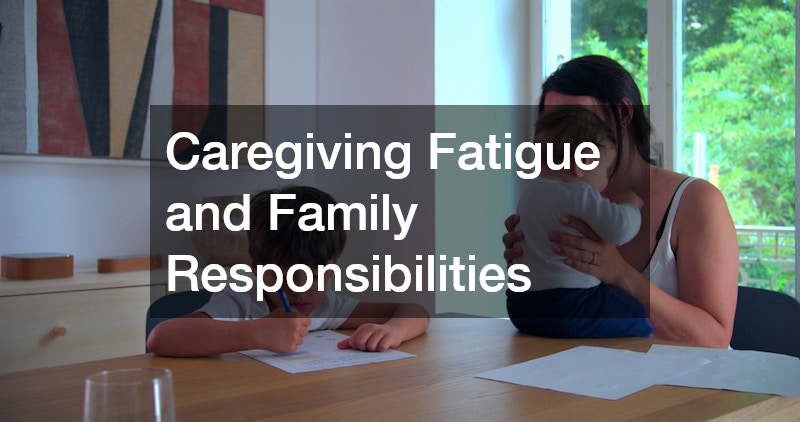
Many people in their 40s are managing responsibilities on multiple fronts, from raising children to supporting aging parents, and this layered stress takes a real physical toll. Emotional exhaustion from caregiving is often underestimated, yet it produces the same physical fatigue symptoms as poor sleep or illness. Families exploring memory care assisted living options for a parent with cognitive decline often describe relief once appropriate support is in place, since the constant vigilance of caregiving had been quietly wearing them down.
Household responsibilities extend beyond people, too. Pet owners juggling regular checkups, unexpected trips to the animal hospital, and daily care routines often underestimate how much mental and physical bandwidth this consumes. Recognizing these hidden sources of fatigue can help you make more intentional choices about where to delegate or seek support.
- Caregiver burnout often mimics symptoms of chronic fatigue
- Sharing responsibilities among family members can reduce strain
- Scheduling regular respite time helps prevent long-term exhaustion
- Pet care logistics can add unexpected daily fatigue
Recovery Time After Cosmetic or Medical Procedures
Fatigue can also follow planned medical procedures, and recovery timelines are often longer than people expect. Individuals consulting plastic surgeons about elective procedures are usually advised that post-operative fatigue is normal as the body redirects energy toward healing. This is especially true for more involved surgeries, where swelling, medication side effects, and restricted activity all contribute to lingering tiredness.
The scope of the procedure matters. A minimally invasive treatment might cause a few days of low energy, while a facelift, tummy tuck, or joint replacement can involve fatigue that lingers for two to six weeks as tissues repair and inflammation subsides.
Anesthesia itself is another factor many people underestimate. General anesthesia can leave the body feeling sluggish for several days afterward, and pain medications like opioids often compound that drowsiness.
Reduced mobility during recovery adds a further layer, since limited movement lowers circulation and can slow the return of normal energy levels. Plastic surgeons typically recommend gentle walking as soon as it’s medically approved, precisely because light activity supports circulation and can help fatigue lift more quickly than complete bed rest.
Surgical and cosmetic procedures place real demands on the body’s energy reserves, and fatigue after 40 tends to run deeper and last longer than it would have a decade earlier. Procedures such as breast lifts, for example, require weeks of modified activity and adequate rest to heal properly, and rushing back to normal routines can prolong fatigue rather than resolve it. Depending on the procedure, full energy levels may not return for four to six weeks, even when the visible healing looks complete much sooner.
Following post-procedure guidance closely, including nutrition and light movement as advised, supports a smoother recovery. Protein intake matters more than usual during this window, since tissue repair draws on the body’s amino acid stores, and dehydration can amplify feelings of exhaustion. Gentle walks, rather than a full return to exercise, help circulation without taxing a body that’s still rebuilding.
Sleep quality also plays a bigger role than most people expect, particularly when surgical sites make certain positions uncomfortable and disrupt normal sleep cycles for the first week or two. Anyone considering an elective procedure should factor in realistic recovery time rather than underestimating how much energy healing requires, and should talk with their provider about what a normal versus concerning fatigue timeline looks like.
Persistent fatigue after 40 rarely has a single cause, and it often takes some investigation to identify what’s really driving it. Whether the answer lies in hormones, nutrition, movement, mental health, or family responsibilities, addressing the root cause tends to work far better than simply pushing through exhaustion. Start by talking to a healthcare provider about your symptoms and consider tracking patterns in your energy, sleep, and stress over the coming weeks. Taking that first step toward answers is often the difference between ongoing tiredness and lasting improvement.
