
Disclaimer: This website provides health information for educational purposes only and is not a substitute for professional medical advice, diagnosis, or treatment. Always seek the guidance of a qualified healthcare provider with any questions you may have.
Feeling stiff, worn down, or stuck in a cycle of minor injuries is not just a normal part of getting older, it is often a sign that your body needs a smarter recovery strategy. Building real resilience means combining the right kind of movement with recovery tools that help your muscles, joints, and nervous system bounce back faster. Whether you are recovering from an old injury, training for a new goal, or simply trying to move through your day without aches, understanding how movement and heat work together can change how you feel long term. This article breaks down practical, research-backed ways to build a body that holds up under pressure.
- Rebuilding Strength After an Injury
- Balancing Hormones for Better Recovery
- Exploring New Options in Tissue Repair
- Understanding Cosmetic Support in a Wellness Routine
- Combining Skin and Body Treatments for Full Recovery
- Protecting Your Smile While Staying Active
- Structuring Movement for Long-Term Durability
- Getting Expert Guidance for Consistent Progress
- Using Heat Therapy to Support Muscle Recovery
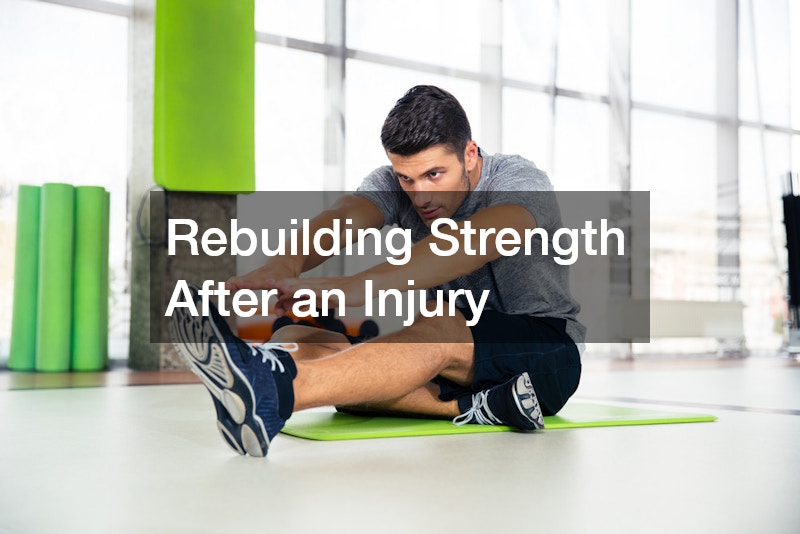
Rebuilding Strength After an Injury
Recovering from an injury requires more than rest, it requires a structured plan that gradually reintroduces load and movement without triggering setbacks. Many people rush back into activity too soon, which can lead to compensation patterns that cause new problems elsewhere in the body. A guided approach that tracks range of motion, strength, and pain response tends to produce far better long-term outcomes than guessing on your own.
This is where sports rehab services become valuable, since they focus specifically on restoring function after strains, sprains, or surgical repairs. These programs often blend manual therapy, corrective exercise, and progressive loading to help tissue heal correctly instead of just quieting symptoms. Working with professionals who understand biomechanics can shorten recovery time and reduce the odds of re-injury.
Balancing Hormones for Better Recovery
Recovery is not only a muscular process, it is also deeply hormonal. As people age, natural declines in testosterone, estrogen, and growth hormone can slow tissue repair, reduce muscle mass, and leave you feeling fatigued even after adequate rest. Addressing these underlying imbalances is often overlooked in typical fitness advice, yet it can make a noticeable difference in how quickly you bounce back from hard training sessions.
Some individuals work with a physician to explore hormone replacement therapy as part of a broader wellness plan, particularly when bloodwork shows a clear deficiency affecting energy or recovery. This is not a shortcut or a quick fix, but rather a medically supervised tool used alongside proper nutrition, sleep, and exercise. Anyone considering this route should get comprehensive lab testing first and work with a qualified provider who monitors progress over time.

Exploring New Options in Tissue Repair
Beyond traditional physical therapy, there is a growing category of treatments aimed at helping the body repair itself more efficiently at the cellular level. These options are especially appealing to people dealing with chronic joint pain or slow-healing soft tissue injuries who want to avoid surgery if possible. While results vary by individual and condition, many patients report meaningful improvements in pain and mobility.
Regenerative medicine has gained attention for its potential to support healing in tendons, ligaments, and joints using the body’s own biological resources. Treatments in this category are typically performed by specialists and are often paired with rehabilitation exercises to maximize results. As with any emerging medical field, it is worth researching a provider’s experience and asking detailed questions about expected outcomes before committing to a treatment plan.
Understanding Cosmetic Support in a Wellness Routine
Resilience is not only physical performance, it also includes how confident and comfortable you feel in your own skin, which affects motivation and mental well-being. Studies on exercise adherence consistently show that people who feel good about their appearance are more likely to stick with a fitness routine long-term, creating a positive feedback loop between how you look and how consistently you show up for yourself.
Many people who commit to consistent movement and recovery routines also start paying closer attention to skin health, posture, and overall appearance as part of feeling their best. Heat therapy sessions, for example, increase blood flow to the skin and can leave it looking brighter and more refreshed, which often becomes a noticeable side benefit of sauna or steam use. Similarly, improved posture from strength training and mobility work changes how clothes fit and how people carry themselves in everyday life, reinforcing the sense that fitness and appearance are intertwined.
This is a natural extension of a broader self-care mindset rather than a separate, unrelated goal. Small additions like a consistent skincare routine, proper hydration, or targeted treatments for scars, stretch marks, or sun damage can complement the physical work being done in the gym or sauna. The key consideration is balance: these choices should support the confidence built through training, not become a source of pressure or a substitute for the deeper resilience that movement and recovery provide.
For some, this includes exploring botox treatments to soften fine lines caused by years of sun exposure, stress, or expressive movement, often as a small part of a much larger wellness picture. These lines frequently show up around the eyes, forehead, and brow area, especially in people who spend a lot of time outdoors training, hiking, or practicing yoga in the sun. Treating them cosmetically doesn’t replace good skincare habits like SPF and hydration, but it can address the visible aftermath of an active life spent outside.
These treatments are quick, minimally invasive, and typically require little to no downtime, making them easy to fit around an active lifestyle. A typical session takes about 10 to 20 minutes, with visible results appearing within three to seven days and lasting roughly three to four months. Most people can resume workouts within 24 hours, though providers often recommend avoiding intense exercise or heat exposure like saunas immediately afterward to prevent the product from shifting.
As always, it is worth consulting a licensed provider to understand realistic expectations and proper aftercare. A good consultation should cover your medical history, activity level, and any recent heat therapy or high-intensity routines that might affect timing. Providers can also advise on how often touch-ups are realistically needed, so cosmetic support stays sustainable rather than becoming a recurring stressor on your schedule or budget.
Combining Skin and Body Treatments for Full Recovery
Modern wellness clinics increasingly offer a combination of services designed to support both physical recovery and outward appearance under one roof. This convenience appeals to busy homeowners and professionals who want efficient, coordinated care rather than juggling multiple separate providers. Bundling treatments can also help ensure that practitioners communicate about your overall health picture rather than working in isolation.
A well-rounded medspa services menu might include facials, body contouring, IV therapy, and recovery-focused treatments alongside more clinical options. When chosen carefully, these services can complement an active lifestyle by supporting skin health, hydration, and stress reduction, all of which play a role in how your body handles physical demands.
- Look for providers with licensed medical staff overseeing treatments
- Ask about combination packages that support both recovery and appearance goals
- Confirm aftercare instructions before scheduling any procedure
- Read reviews focused on results, not just customer service
Protecting Your Smile While Staying Active
It is easy to overlook dental health when focusing on fitness and recovery, but oral health is closely tied to overall wellness, including inflammation levels and nutrition habits. Athletes and active individuals sometimes grind their teeth during intense training or clench their jaw under stress, which can lead to long-term wear. Regular checkups help catch these issues before they become painful or expensive to fix.
A cosmetic dentist can address both function and appearance, from correcting wear caused by grinding to improving the look of a smile affected by years of sports drinks or poor hydration habits during workouts. Many people also explore aligners to correct minor shifting of teeth that can occur over time, especially if they previously had braces and stopped wearing a retainer. Straighter teeth can also improve bite alignment, which sometimes reduces jaw tension linked to headaches or neck stiffness.
Structuring Movement for Long-Term Durability
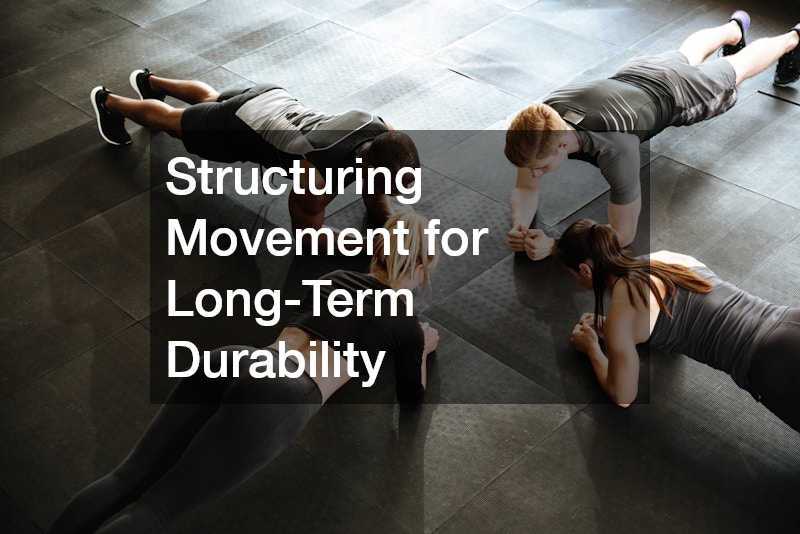
Building resilience is not about pushing harder every single day, it is about creating a sustainable rhythm of effort and recovery that your body can maintain for years. A useful model is the hard-easy pattern: one or two challenging sessions per week paired with several lighter days that emphasize technique, mobility, or low-intensity movement like walking or swimming. This kind of periodization prevents the accumulated fatigue that turns small imbalances into real injuries.
Mobility work deserves its own dedicated time rather than a rushed afterthought tacked onto the end of a workout. Ten to fifteen minutes of targeted stretching or joint-specific movement, focused on areas like hips, shoulders, and ankles, can preserve the range of motion that heavy training tends to erode over time. Rotating between strength, cardio, and flexibility-focused sessions throughout the week also reduces repetitive strain on any single set of tissues.
Just as important is learning to read your body’s warning signs before they become setbacks. Persistent soreness lasting more than 72 hours, a noticeable drop in strength or endurance, disrupted sleep, or a lingering sense of fatigue are all signals that recovery is lagging behind effort. Tracking these markers in a simple training log can make patterns easier to spot than relying on memory alone.
A body that is trained thoughtfully, with planned variation and honest attention to these signals, tends to hold up far better than one pushed to exhaustion repeatedly. The goal is not maximum effort on any given day, but consistent, adaptable effort across many years.
Structured sports training programs are especially useful for people preparing for a specific goal, such as a race, a season, or a physical test, since they build capacity gradually and reduce injury risk. Rather than randomly increasing intensity, effective programs follow principles like progressive overload, where volume or resistance increases by small increments—often 5 to 10 percent per week—to allow tissues and joints time to adapt.
Good programs also account for individual limitations and progress, rather than applying a one-size-fits-all plan. Someone recovering from a previous injury may need a longer base-building phase, while a younger athlete with no injury history might tolerate faster progression. Periodization, which breaks training into phases focused on endurance, strength, or peak performance, helps ensure the body isn’t pushed too hard in any single direction for too long.
Tracking metrics like strength gains, endurance, and recovery time can help you see whether your training is actually working. Simple measures—such as how quickly your heart rate returns to baseline after exertion, how much weight you can lift for a given number of reps, or how sore you feel 24 to 48 hours later—offer practical feedback. If recovery time keeps lengthening or performance plateaus despite consistent effort, it’s often a signal to adjust volume, intensity, or rest days before minor strain becomes a lasting injury.
Getting Expert Guidance for Consistent Progress
Many people struggle not with motivation but with knowing exactly what to do, which is where professional guidance becomes valuable. Without a clear plan, it is easy to repeat the same exercises indefinitely without seeing meaningful improvement, or worse, to develop poor form that leads to injury. Expert oversight can help correct these issues early and keep progress moving in the right direction.
Hiring a personal trainer gives you access to individualized programming based on your current fitness level, goals, and any physical limitations you may have. A good trainer will also adjust your plan over time, ensuring that your body continues to be challenged appropriately as you improve. This kind of accountability often makes the difference between sporadic effort and lasting results.
- Ask potential trainers about their certifications and specialties
- Request a trial session before committing to a long-term package
- Discuss any injuries or medical conditions upfront
- Set clear, measurable goals for the first three months
Using Heat Therapy to Support Muscle Recovery
Heat has been used for centuries to ease muscle tension, improve circulation, and support relaxation after physical exertion, and modern science continues to back many of these benefits. Increased blood flow from heat exposure can help deliver oxygen and nutrients to tired muscles, potentially speeding up the recovery process. Many people find that heat also helps calm the nervous system, which can be just as important as physical repair.
Regular use of a sauna has been associated with improved circulation, reduced muscle soreness, and even modest cardiovascular benefits similar to light exercise. Sessions are typically short, ranging from fifteen to twenty minutes, and should be approached gradually if you are new to heat exposure. Staying hydrated before and after a session is essential, since sweating leads to meaningful fluid loss.
- Start with shorter sessions and build tolerance over time
- Avoid heat exposure if you are dehydrated or feeling unwell
- Pair sauna sessions with stretching for added mobility benefits
- Consult a doctor if you have cardiovascular concerns before starting
True resilience comes from combining smart movement, thoughtful recovery, and attention to the systems that support your body from the inside out. Rather than chasing a single solution, consider how strength training, recovery treatments, and even dental or hormonal health all work together to keep you functioning at your best. Start by identifying the area where you feel the biggest gap, whether that is recovery speed, consistency, or overall energy, and take one concrete step toward addressing it this week. Small, informed decisions made consistently will do far more for your long-term resilience than any single quick fix.
