
Disclaimer: This website provides health information for educational purposes only and is not a substitute for professional medical advice, diagnosis, or treatment. Always seek the guidance of a qualified healthcare provider with any questions you may have.
Maintaining a healthy smile involves more than brushing and flossing every day. Advances in dental technology, preventive treatments, and personalized care have made it easier for patients to protect their teeth, address oral health concerns, and restore comfort when problems develop. Understanding the options available can help individuals make informed decisions about their dental health at every stage of life. By combining consistent home hygiene with regular professional visits and appropriate treatments, patients can reduce their risk of common dental problems and preserve their natural teeth for as long as possible. Learning how modern dentistry works also makes it easier to recognize when professional guidance may be beneficial.
- Build a Daily Routine That Protects Your Teeth and Gums
- Schedule Preventive Visits Before Problems Develop
- Recognize When Damaged Teeth Need Professional Restoration
- Explore Reliable Solutions for Replacing Missing Teeth
- Choose an Alignment Plan That Fits Your Lifestyle
- Maintain Comfort and Function When Several Teeth Are Missing
- Support Children’s Oral Health With Age-Appropriate Habits
- Ask the Right Questions Before Starting Treatment
- Make Consistent Choices for a Healthier Smile
Build a Daily Routine That Protects Your Teeth and Gums
Daily oral hygiene is the foundation of long-term dental health. Plaque, a sticky film containing bacteria, continually develops on teeth. If it is not removed regularly, it can contribute to tooth decay, gum inflammation, and other oral health problems. A consistent routine helps control plaque before it hardens into tartar, which requires professional removal.
Brushing twice a day with fluoride toothpaste helps strengthen enamel and remove food particles and plaque from tooth surfaces. Patients should use a soft-bristled toothbrush and gentle, circular movements rather than scrubbing aggressively. Brushing too hard can irritate the gums and contribute to enamel wear over time.
Flossing is equally important because toothbrush bristles cannot effectively clean every surface between teeth. Carefully guiding floss along each tooth and beneath the gumline helps remove debris from areas where plaque commonly accumulates. People who struggle with traditional floss may benefit from floss picks, interdental brushes, or water flossers, depending on their needs.
Healthy habits outside the bathroom also influence oral health. Frequent exposure to sugary foods and acidic beverages can increase the risk of decay and enamel erosion. Drinking water throughout the day, choosing balanced meals, and limiting sugary snacks between meals can help protect teeth.
Professional dental care complements these daily efforts through examinations, cleanings, and recommendations tailored to individual risks. Patients with a history of cavities or gum disease may need additional preventive measures, such as fluoride treatments or more frequent appointments.
Schedule Preventive Visits Before Problems Develop
Many dental problems begin without noticeable symptoms. Small cavities, early gum disease, and damage beneath existing restorations may develop before a patient experiences pain. Regular examinations allow dental professionals to identify these concerns and recommend treatment before they become more complicated.
During a routine visit, a dentist typically evaluates the teeth, gums, bite, and surrounding oral tissues. Professional cleanings remove hardened tartar that cannot be eliminated with ordinary brushing and flossing. Depending on a patient’s history and symptoms, dental X-rays may also help identify decay between teeth, bone changes, or other concerns that are not visible during a visual examination.
The appropriate appointment schedule varies from person to person. Some patients benefit from visits every 6 months, while others may need more frequent monitoring due to gum disease, a higher risk of cavities, certain medical conditions, or ongoing dental treatment.
Patients can make preventive appointments more productive by preparing a few details in advance. They should consider:
- Updating their medical history and providing an accurate list of medications.
- Reporting bleeding gums, tooth sensitivity, persistent bad breath, or discomfort when chewing.
- Asking whether their current brushing and flossing techniques need improvement.
- Discussing any changes in diet, smoking habits, or medications that could affect oral health.
- Confirming when the next examination or professional cleaning should occur.
Building a relationship with local dentists can make preventive care more consistent. A dental team familiar with a patient’s history can track changes over time, explain treatment options, and help prioritize concerns according to urgency. Patients should also feel comfortable asking questions whenever a recommendation is unclear.
Recognize When Damaged Teeth Need Professional Restoration
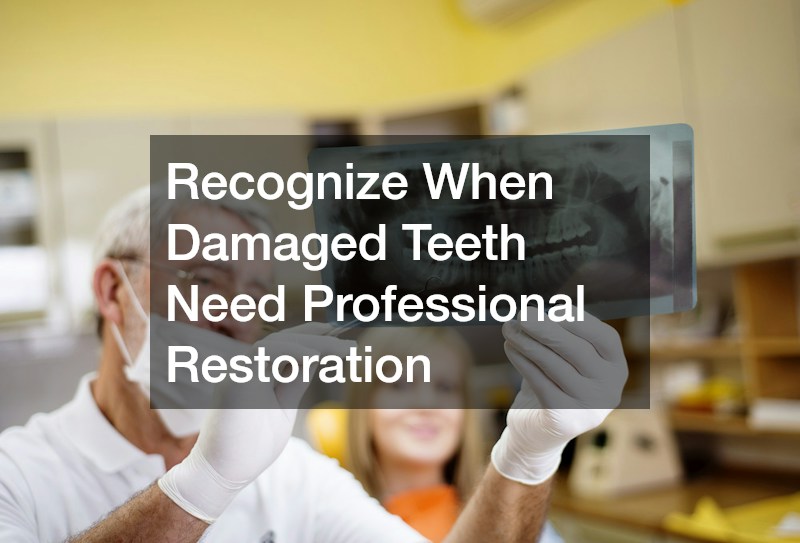
Teeth experience daily pressure from chewing, grinding, and exposure to different temperatures. Although enamel is strong, it can still become damaged by decay, trauma, erosion, or excessive force. Recognizing warning signs early helps patients seek appropriate treatment before damage affects deeper tooth structures.
Common signs of a potential problem include sensitivity to hot or cold foods, pain when biting, visible cracks, dark spots, and a chipped tooth. Persistent discomfort deserves professional attention, even if the symptoms appear mild. Some problems progress gradually, while others can worsen quickly after an injury.
When a tooth has lost substantial structure, a dental crown may be recommended to cover and protect the remaining tooth. A crown is a custom-made restoration that fits over a prepared tooth, restoring its shape and helping it withstand normal chewing forces. Crowns may be appropriate for teeth weakened by extensive decay, large fillings, fractures, or root canal treatment.
The process generally involves examining the tooth, determining how much healthy structure remains, and preparing it for restoration. Depending on the case and available technology, the dentist may take a digital scan or a traditional impression to create a properly fitting restoration. A temporary crown may be used while a permanent one is being fabricated.
Modern dental crowns can be made from materials such as ceramic, porcelain-based materials, or metal alloys. The best choice depends on the tooth’s location, the amount of chewing pressure it receives, appearance preferences, and the patient’s individual circumstances.
Explore Reliable Solutions for Replacing Missing Teeth
Missing teeth can affect much more than appearance. Depending on their location and number, they may make chewing difficult, alter speech, and change the distribution of pressure across the remaining teeth. Gaps can also contribute to shifting teeth, which may complicate oral hygiene and bite alignment.
Modern dentistry offers several ways to replace missing teeth. The most appropriate option depends on the patient’s oral health, budget, preferences, and the number of teeth to be replaced.
Tooth implants are one option for replacing missing teeth. An implant is a small post, commonly made from titanium or another biocompatible material, that is placed in the jawbone to support a replacement tooth. As the surrounding bone integrates with the implant, it can provide a stable foundation for a crown or other restoration.
Dental implants may help restore chewing function while avoiding reliance on neighboring teeth for support, as is necessary with some traditional bridges. However, they require careful planning and surgery, and they are not suitable for every patient. Adequate bone support, healthy gums, overall health, and the ability to maintain good oral hygiene all influence treatment suitability.
Before recommending an implant, a dental professional typically evaluates the mouth and may use imaging to assess bone volume and the position of important structures. Some patients require preparatory procedures, such as bone grafting, before implant placement. Healing and restoration timelines vary, so patients should discuss the expected treatment sequence.
When comparing treatments, patients should ask:
- How long is the expected treatment process?
- What procedures and appointments will be necessary?
- How will the replacement affect chewing and speaking?
- What are the initial and long-term maintenance costs?
- How should the replacement be cleaned and monitored?
Replacing missing teeth is not simply a cosmetic decision. A well-planned restoration should support comfort and function while maintaining oral hygiene. Regular follow-up visits remain important regardless of which option a patient chooses.
Choose an Alignment Plan That Fits Your Lifestyle

Tooth alignment can affect both appearance and oral health. Crowded or overlapping teeth may be difficult to clean thoroughly, while certain bite problems can contribute to uneven tooth wear or chewing discomfort. Orthodontic treatment can help improve tooth positioning and, when appropriate, bite function.
Clear aligner systems offer an alternative to traditional braces for many patients. Invisalign uses a series of custom-made, transparent trays that gradually move teeth according to a treatment plan. Patients generally progress through a sequence of aligners, changing them as directed by their dental professional.
Because the trays are removable, patients can take them out for meals, brushing, and flossing. This can make daily hygiene more convenient than cleaning around fixed brackets and wires. However, the flexibility of removable aligners also means that consistent use is essential.
Patients considering clear aligners should discuss whether their alignment and bite concerns are suitable for this approach. Some complex movements may require different orthodontic methods or additional procedures. An examination helps determine what is realistic and whether another treatment would yield better results.
To support successful treatment, patients should:
- Wear aligners for the recommended number of hours each day.
- Remove them before eating or drinking anything other than water, unless specifically instructed otherwise.
- Clean the trays according to professional guidance.
- Continue brushing and flossing carefully after meals.
- Attend scheduled appointments and report any discomfort or fit issues.
After active treatment, retainers help maintain the new tooth positions. Teeth can gradually shift over time, so following the prescribed retention plan is an important part of protecting the results.
Maintain Comfort and Function When Several Teeth Are Missing
Dentures are removable appliances designed to replace some or all missing teeth. Partial dentures replace several teeth while working around the remaining natural teeth. Complete dentures replace an entire upper or lower arch when natural teeth are no longer present in that area.
A dental professional evaluates the shape of the mouth, gum tissues, bite, and remaining teeth before recommending an appliance. Traditional dentures are custom-made to fit the patient’s oral structures, although the fit can change over time as the jawbone and gums change.
New dentures may require an adjustment period. Patients sometimes notice increased saliva, mild soreness, or temporary changes in speech while learning to use the appliance. Practicing speaking aloud, starting with softer foods, and taking small bites can make the transition easier. Persistent pain, however, should not be ignored.
Important maintenance habits include:
- Removing and cleaning removable appliances as directed.
- Cleaning the gums, tongue, and any remaining natural teeth.
- Avoiding adjustments or repairs at home.
- Reporting slipping, clicking, sore spots, or difficulty chewing.
- Attending follow-up visits to check fit and oral tissue health.
Some patients may qualify for implant-supported dentures, which use implants to improve stability. This option requires a separate evaluation and may involve surgery. The right approach depends on individual anatomy, health considerations, and personal preferences.
Support Children’s Oral Health With Age-Appropriate Habits
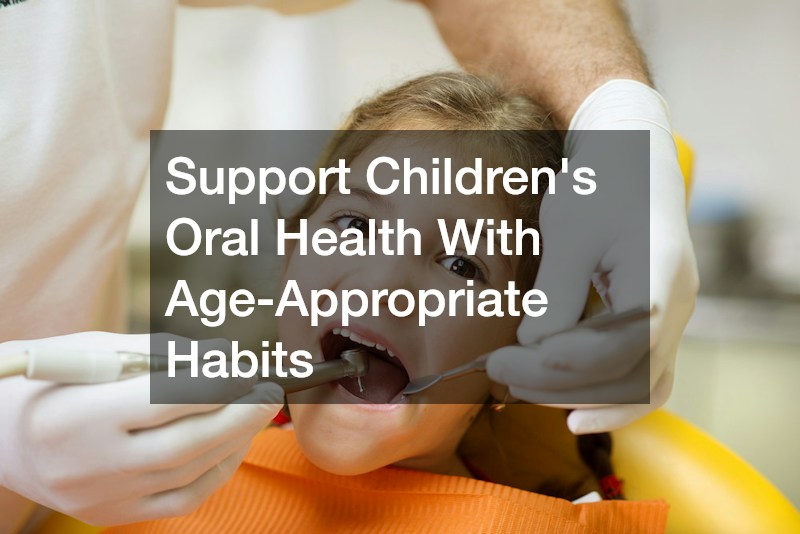
Establishing healthy habits early can help children develop a positive relationship with oral hygiene. Parents and caregivers play an important role by demonstrating good routines, choosing tooth-friendly foods, and arranging regular dental visits.
Oral hygiene should begin before a child’s first tooth appears. Caregivers can gently clean the gums with a soft, damp cloth. Once the first tooth erupts, brushing should begin with a small, soft-bristled toothbrush and an age-appropriate amount of fluoride toothpaste. Parents should follow current dental guidance on toothpaste quantities and supervise brushing.
Young children often lack the coordination needed to clean every surface of each tooth effectively. Caregivers should help with brushing until children can demonstrate a reliable technique, generally around age seven or eight, although individual development varies. Flossing should begin when neighboring teeth touch and a toothbrush can no longer clean between them adequately.
Diet also plays a significant role. Frequent exposure to sugary drinks and snacks increases the likelihood that cavity-causing bacteria produce acids. Offering water between meals, serving balanced snacks, and avoiding prolonged exposure to sweetened beverages can help protect developing teeth.
Scheduling an early visit with a local pediatric dentist gives children an opportunity to become familiar with the dental environment while a professional monitors oral development. Pediatric dental visits can help identify early decay, evaluate tooth eruption, and provide guidance tailored to a child’s age and risk factors.
Ask the Right Questions Before Starting Treatment
Understanding a recommended procedure helps patients participate in decisions about their oral health. Before agreeing to treatment, individuals should ask why it is needed, what alternatives are available, and what may happen if they delay it. A good explanation should cover expected benefits, potential risks, recovery requirements, and likely long-term maintenance needs.
Patients should also understand how a procedure may affect eating, speaking, and oral hygiene during healing. Written instructions can make it easier to follow aftercare recommendations, especially when several steps are involved.
For orthodontic treatment, an orthodontic lab may fabricate custom appliances based on a clinician’s specifications. These appliances can include retainers and other devices designed to support tooth movement or maintain alignment. Their fit and function depend on accurate records, appropriate design, and professional oversight.
Patients should ask whether an appliance requires adjustments, how to clean it, and when it needs to be checked or replaced. If a device becomes damaged or uncomfortable, contacting the treating professional is safer than attempting an at-home repair.
Make Consistent Choices for a Healthier Smile
Maintaining a healthy smile requires consistent habits, preventive appointments, and timely attention to dental problems. Modern dentistry provides options for protecting natural teeth, restoring damaged structures, replacing missing teeth, and improving alignment. The most effective approach depends on each person’s oral health, goals, and individual circumstances. By asking questions, following professional recommendations, and maintaining daily hygiene, patients can make informed decisions that support lasting comfort and function. Small, practical steps taken consistently can help protect oral health and preserve a confident smile throughout life.
