Disclaimer: This website provides health information for educational purposes only and is not a substitute for professional medical advice, diagnosis, or treatment. Always seek the guidance of a qualified healthcare provider with any questions you may have.
Healthcare has long operated within rigid silos, drawing an artificial boundary between functional physical healing and personal aesthetic restoration. When an individual experiences traumatic injury, chronic illness, severe musculoskeletal wear, or metabolic exhaustion, conventional protocols prioritize acute stabilization. Physicians mend fractured bones, manage systemic disease markers, and prescribe pharmaceuticals to mitigate symptoms. While vital, this narrow definition of recovery often neglects how deeply intertwined physical comfort is with psychological vitality, body image, and self-assurance. When clinical intervention ends at basic survival or minimum functional benchmarks, patients frequently find themselves navigating residual discomfort, altered physical appearance, postural compensation, and lingering tissue damage entirely on their own.
True recovery does not stop when vital signs stabilize and basic range of motion returns. Restoring quality of life requires a comprehensive continuum of care where structural rehabilitation, systemic cellular balance, pain alleviation, and aesthetic rejuvenation inform one another. A patient dealing with chronic spinal tension cannot achieve optimal posture without addressing compensatory facial and neck guarding; similarly, surface-level skin or soft-tissue rejuvenation yields fleeting outcomes if systemic inflammation and nutritional deficits remain uncorrected. Navigating modern clinical care requires patients and health advocates to actively synthesize distinct medical disciplines into a unified recovery roadmap. By approaching the journey through strategic, sequential phases, individuals can successfully rebuild internal health, biomechanical function, and personal confidence.
- Establishing Systemic Balance and Internal Vitality
- Restoring Biomechanical Function and Spinal Mobility
- Breaking the Chronic Pain and Neuromuscular Spasm Cycle
- Integrating Oral Health, Airway Optimization, and Dental Function
- Clinical Dermatology, Tissue Remodeling, and Scar Revision
- Structural Aesthetics and Full-Spectrum Rejuvenation
Establishing Systemic Balance and Internal Vitality
Every biological repair process depends directly on the internal cellular environment. Before undergoing elective interventions, structural realignments, or deep tissue remodels, the body must possess the energetic and immunological reserves required for rapid tissue regeneration. Chronic cellular stress, metabolic dysregulation, and persistent exposure to biological toxins significantly impair wound healing, suppress collagen production, and elevate baseline inflammatory markers. Establishing physiological stability is the essential starting point that enables all subsequent therapies to achieve lasting success. A med spa offers various services.
Clearing Biological Stressors to Accelerate Tissue Regeneration
When the body is overwhelmed by environmental toxins, sustained pharmaceutical loads, metabolic waste, or chemical dependencies, cellular respiration slows down. Under these conditions, soft tissues struggle to repair themselves, microcirculation suffers, and elective procedures carry elevated rates of post-treatment complications. Achieving a clean physiological slate requires structured, medically supervised intervention that supports liver biotransformation pathways, optimizes renal clearance, and calms chronic neurochemical agitation.
-
Medical clearance protocols: Before scheduling intensive structural or restorative procedures, individuals with complex medical histories, prescription dependencies, or severe metabolic fatigue benefit immensely from professional stabilization. Enrolling in a credentialed detox rehab center provides the medical supervision necessary to safely eliminate physical dependencies, correct severe electrolyte imbalances, and normalize cardiovascular biomarkers.
-
Cellular detoxification pathways: Supporting phase I and phase II hepatic pathways through clinical hydration, therapeutic amino acid supplementation (such as N-acetylcysteine and glycine), and targeted antioxidant support ensures that cellular waste products are neutralized rather than recirculated.
-
Mitochondrial reactivation: Reducing toxic cellular load directly restores adenosine triphosphate (ATP) synthesis, providing fibroblasts and osteoblasts with the fuel needed to generate healthy extracellular matrix during subsequent healing stages.
Structuring an Anti-Inflammatory Foundation for Future Procedures
Once immediate physiological burdens are cleared, the focus shifts toward lowering baseline systemic inflammation. Systemic inflammation acts as a persistent barrier to soft-tissue remodeling, causing prolonged swelling, exaggerated scar formation, and heightened pain sensitivity. Establishing a stable metabolic foundation requires deliberate daily habits combined with objective laboratory tracking.
-
Quantitative inflammatory screening: Track key biological markers every eight to twelve weeks, with specific attention to high-sensitivity C-reactive protein (hs-CRP), fasting insulin, erythrocyte sedimentation rate (ESR), and complete blood counts. Target an hs-CRP level under 1.0 mg/L before advancing to elective surgical or invasive restorative treatments.
-
Targeted micronutrient loading: Integrate therapeutic doses of pure omega-3 fatty acids (EPA/DHA), fat-soluble vitamins D3 and K2 to regulate calcium metabolism, and bioavailable zinc bisglycinate to prime the enzymatic pathways responsible for tissue epithelialization.
-
Circadian realignment: Prioritize deep, restorative stage-three slow-wave sleep, which serves as the primary endocrine window for human growth hormone release, muscle repair, and immune regulation. Aim for a consistent seven-to-nine-hour sleep schedule within an environment maintained below sixty-eight degrees Fahrenheit.
Restoring Biomechanical Function and Spinal Mobility
A balanced internal environment sets the stage for physical rehabilitation. The human body functions as an integrated kinetic chain: an imbalance in the hip alters the pelvic bowl, which forces the lumbar spine to compensate, ultimately distorting thoracic posture and creating tension up into the neck and jaw. When trauma, sports injuries, or sedentary degeneration compromise this framework, functional alignment must be deliberately reconstructed to prevent secondary degeneration and chronic fatigue.
Rebuilding Joint Mechanics and Core Skeletal Stability
Degenerative joint disease, ligament tears, and complex bone traumas require specialized structural evaluation. When conservative therapies like stretching or low-load resistance fail to restore baseline mobility, direct surgical consultation determines whether structural reconstruction is necessary to prevent long-term neuromuscular breakdown.
-
Surgical evaluation timing: Seek the specialized diagnostic expertise of an orthopedic surgeon when joint instability creates persistent mechanical catching, severe joint space narrowing, or structural impingement that inhibits daily activities. An experienced surgical specialist evaluates weight-bearing alignment, bone architecture, and cartilage integrity using dynamic imaging to recommend precise arthroscopic or reconstructive solutions.
-
Pre-habilitation protocols: Dedicate four to six weeks prior to any planned joint intervention to targeted strengthening of adjacent stabilizing musculature. Building quadriceps and hamstring strength prior to knee procedures, or stabilizing the rotator cuff prior to shoulder interventions, dramatically accelerates postoperative milestones.
-
Controlled progressive loading: Following structural repair, adhere to an evidence-based progressive loading protocol. Prioritize closed-chain kinetic exercises that promote mechanotransduction, stimulating bone remodeling and ligament remodeling without overloading healing cartilage.
Maintaining Daily Neuromusculoskeletal Alignment
While joint reconstruction addresses acute tears and structural bone deficits, daily functional wellness depends on continuous neuromuscular communication and spinal balance. Even slight subluxations and spinal fixations alter biomechanical pathways, placing uneven mechanical strain across connective tissues and diminishing athletic efficiency.
-
Collaborative manual therapy: Regular consultations with licensed chiropractors help restore segmental spinal mobility, relieve mechanical nerve root irritation, and re-establish symmetrical pelvic leveling. These adjustments enhance proprioceptive input to the central nervous system, ensuring that muscles fire symmetrically during movement.
-
Postural recalibration drills: Counteract anterior head carriage and thoracic hyperkyphosis through daily thoracic spine extension exercises and cervical retraction drills. Perform sixty seconds of scapular wall slides and prone cobra holds twice daily to maintain upright spinal posture.
-
Ergonomic workstation engineering: Adjust primary desk chairs to support an open hip angle of one hundred degrees, place display monitors directly at eye height to eliminate persistent cervical flexion, and incorporate sit-to-stand transitions every forty-five minutes to encourage continuous spinal fluid circulation.
Breaking the Chronic Pain and Neuromuscular Spasm Cycle
Chronic discomfort is rarely isolated to a single muscle group; it is an active feedback loop between the peripheral nervous system and the brain. Persistent pain signals cause surrounding muscles to guard and contract, restricting local microcirculation and accumulating metabolic byproducts that further sensitize nociceptors. Breaking this cycle is critical because persistent pain distorts facial expressions, creates guarded movement habits, and depletes the emotional energy needed to pursue aesthetic and personal self-care.
Targeting Tension Cascades from the Cervical Spine to the Cranium
When stress, postural compensation, and structural misalignments converge, they frequently manifest as debilitating cephalic pain. Upper trapezius tightness, suboccipital compression, and temporomandibular strain refer pain upwards, creating severe tension and vascular distress that disrupt professional and personal routines.
-
Multi-modal relief strategies: Sustainable relief requires moving past continuous over-the-counter medication usage by exploring comprehensive migraine treatments that combine occipital nerve mobilization, physiological biofeedback, trigger-point dry needling, and vascular stabilization protocols.
-
Neurovascular environmental controls: Identify and eliminate personal sensory triggers by installing indirect, flicker-free broad-spectrum lighting in work spaces, utilizing blue-light-filtering lens coatings, and maintaining regular meal and hydration intervals to avoid reactive hypoglycemic headaches.
-
Cervicogenic decompression exercises: Incorporate gentle chin tucks accompanied by manual suboccipital release using specialized myofascial release spheres. Releasing tension at the base of the skull restores vertebral artery blood flow and eases pressure on the greater occipital nerve.
Leveraging Clinical Neuromodulators for Pain Management
When physical therapy and lifestyle modifications cannot fully extinguish hyperactive muscular contractions, advanced clinical pharmacology provides a valuable targeted intervention. Specialized neuromodulators offer therapeutic relief by blocking acetylcholine release at the neuromuscular junction, forcing chronic spasm cycles to disengage.
-
Therapeutic neuromodulator applications: In clinical pain management, precise muscular injections of Botox serve as a valuable protocol for individuals battling refractory chronic migraines and severe cervical dystonia. Administered across specific anatomical trigger points across the forehead, temples, occiput, and neck, this therapy significantly dampens peripheral pain signals before they reach the central nervous system.
-
Sustained treatment intervals: Maintain a structured twelve-week treatment schedule to prevent muscular reinervation from triggering rebound pain spikes. Consistent scheduling allows chronically inflamed nerve pathways to rest and downregulate their sensitivity thresholds over time.
-
Complementary functional retraining: Take advantage of the three-to-four-month therapeutic window provided by muscular relaxation to engage in deep cervical flexor strengthening and postural re-education while moving entirely free of acute pain barriers.
Integrating Oral Health, Airway Optimization, and Dental Function
The mouth is the primary gateway to systemic health, yet it is frequently separated from general medical care. Chronic oral pathogens continuously seed systemic circulation with inflammatory mediators, while biomechanical bite discrepancies place profound mechanical stress across the craniofacial complex. Aligning health and aesthetics demands an integrated approach to the oral cavity, treating teeth and gums as both functional health drivers and key aesthetic assets. Call
Establishing Periodontal Health as a Precondition for Systemic Healing
Subclinical periodontal inflammation represents a continuous drain on systemic immune capacity. Oral bacteria such as Porphyromonas gingivalis release endotoxins that penetrate the bloodstream, directly elevating inflammatory markers like CRP and increasing cardiovascular risk while actively delaying healing in other bodily tissues. For dentistry-services’>cosmetic dentistry, consult a professional.
Correcting Occlusal Dynamics to Relieve Craniofacial Strain
Beyond biological cleanliness, the mechanical interaction between the upper and lower jaw dictates the tension patterns of the entire head, neck, and shoulder girdle. Pathological wear, missing dentition, and malocclusion force the temporomandibular joints into abnormal positions, accelerating facial collapse and promoting chronic muscular tension.
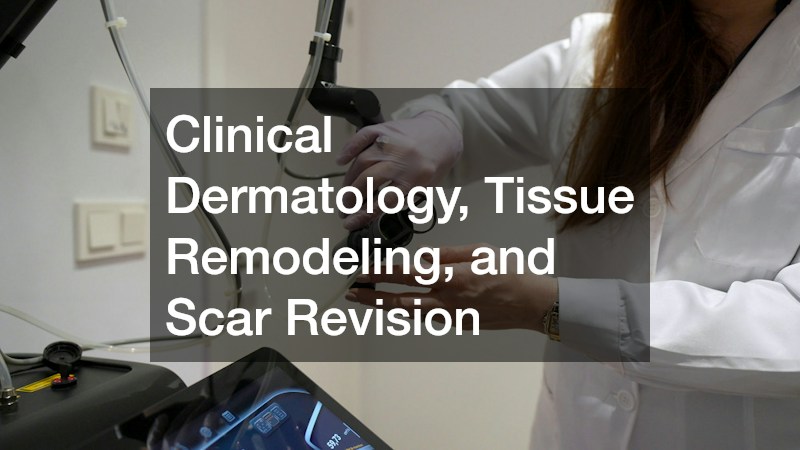
Clinical Dermatology, Tissue Remodeling, and Scar Revision
Once systemic vitality, skeletal alignment, and pain control are firmly established, the healing journey naturally embraces the skin and superficial soft tissues. Skin is the body’s most visible protective barrier and a direct reflection of internal health. Traumatic scars, surgical incisions, and photo-aging often leave physical reminders of past distress that can hinder emotional well-being and personal self-confidence.
Advanced Resurfacing Protocols for Post-Injury and Surgical Scars
Scars represent an unorganized matrix of dense collagen fibers deposited rapidly during emergency tissue repair. Rather than accepting these markings as permanent limitations, targeted medical energy devices can soften, remodel, and blend scar tissue into the surrounding skin landscape. Consider laser scar removals by a professional.
Maintaining Barrier Function and Dermal Health
Long-term skin rejuvenation requires consistent clinical care that supports the skin’s lipid barrier, promotes microcirculation, and delivers medical-grade active ingredients directly to cellular targets.
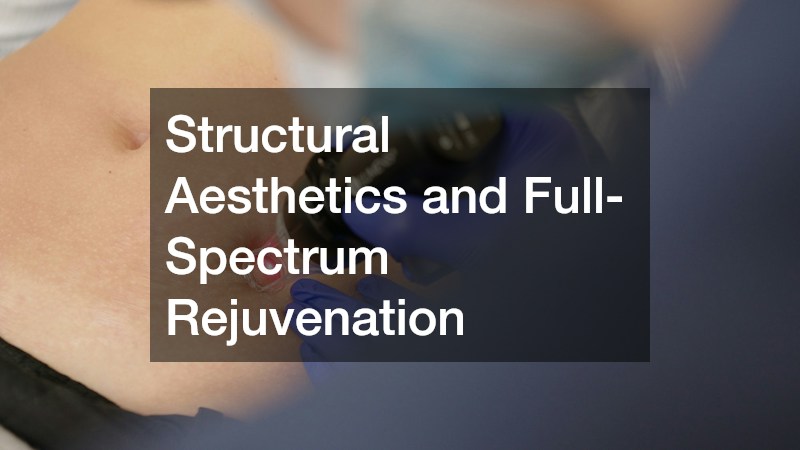
Structural Aesthetics and Full-Spectrum Rejuvenation
The final stage of an integrated recovery journey addresses structural contours and tissue architecture. When weight-loss journeys, major traumas, or pregnancy permanently stretch the skin envelope and displace deeper muscular planes, nonsurgical treatments reach their natural biological limits. Here, surgical artistry and medical precision unite to restore physical balance and harmonize structural anatomy.
Rebuilding Soft-Tissue Contours and Functional Symmetry
Significant physical transformations frequently leave behind redundant, inelastic skin and separated musculature that cannot be resolved through exercise or diet alone. Restoring anatomical contours requires specialized structural surgery designed to reposition deep tissues and excise redundant laxity.
Managing Pre- and Post-Operative Safety Checklists
The ultimate safety and success of advanced aesthetic surgery depend on meticulous preparation, thorough practitioner vetting, and dedicated post-operative care. Cosmetic surgeons are skilled in aesthetic surgery and should be consulted ahead of procedures.
An empowered approach to modern healthcare refuses to separate physical healing from emotional well-being and aesthetic renewal. Moving seamlessly across specialized medical fields—transitioning from systemic detoxification and structural bone repair to chronic pain alleviation, comprehensive dental stabilization, dermal laser resurfacing, and advanced surgical rejuvenation—allows patients to build an individualized, cohesive healing journey. True vitality is achieved when the body functions effortlessly, moves without pain, and reflects personal confidence on the outside. By actively coordinating these complementary medical disciplines, individuals take decisive control of their wellness journey, achieving enduring health, structural resilience, and genuine self-assurance.