
Disclaimer: This website provides health information for educational purposes only and is not a substitute for professional medical advice, diagnosis, or treatment. Always seek the guidance of a qualified healthcare provider with any questions you may have.
Imagine finding out you have high blood pressure years before it damages your heart. Or catching a small polyp during a routine scan before it ever turns into something serious. That kind of early warning can change the course of someone’s life, and it’s exactly what modern screening tests are designed to do.
Most of us only think about going to the doctor when something feels off. A nagging pain, a weird lump, a cough that won’t quit. But by the time symptoms appear, many conditions have already been quietly developing for months or even years. Screening flips that script. It looks for trouble before trouble announces itself.
If the whole idea sounds a bit clinical or confusing, don’t worry. This explainer walks through the basics in plain language so you understand what these tests actually do, why they matter, and how to figure out which ones apply to you.
What Screening Tests Actually Are
A screening test is a medical check done on someone who feels perfectly fine. That’s the key part. It’s not the same as a diagnostic test, which is used when you already have symptoms and a doctor needs to figure out what’s causing them. Screening is purely preventive. It’s the equivalent of inspecting your roof before the rainy season instead of waiting for water to drip through the ceiling.
These tests range from simple blood draws to imaging scans and physical exams. Some take five minutes. Others require a bit more preparation. But all of them share the same goal: spot something early enough that treatment is easier, cheaper, and more likely to work.
The science behind this approach is solid. According to the NIH National Center for Biotechnology Information, cancer deaths in the US dropped by about 25 percent between 1990 and 2015, and widespread screening programs played a major role in that decline. Catching disease early really does save lives.
Why Early Detection Changes Everything
Diseases don’t usually appear overnight. Most chronic conditions, cancers included, develop gradually. There’s often a long window where something is wrong internally but you feel completely normal. That window is where screening does its best work.
Catching a problem during this silent phase means treatment options are broader and outcomes are better. A small tumor is easier to remove than a large one. Early-stage diabetes can often be reversed with diet and exercise. High cholesterol caught in your thirties is a conversation about lifestyle, not a crisis in your fifties.
Here are some of the biggest reasons early detection matters:
- Treatment is typically less invasive and less expensive
- Survival rates for many cancers are dramatically higher when caught early
- Lifestyle changes can sometimes reverse or halt the progression of a condition
- You gain time to make informed decisions rather than scramble in a crisis
- Mental stress is reduced when you know what you’re dealing with
- Your family benefits from knowing what conditions may run in the household
How Risk Changes the Picture
Not everyone needs the same tests at the same ages. Your personal risk profile matters a lot. Family history, lifestyle habits, ethnicity, and past medical issues all shape which screenings make sense for you and when. Someone with a parent who had colon cancer at 45 will start colonoscopies much earlier than someone with no family history at all. A smart screening plan is personalized, not one-size-fits-all.
The Core Screenings Most Adults Should Know About
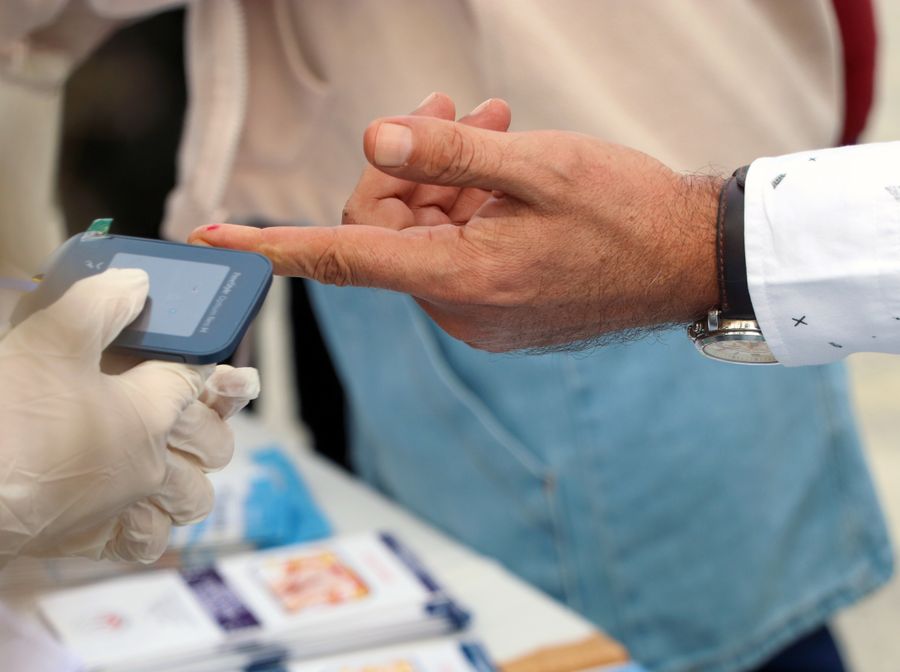
There’s a handful of tests that come up again and again in preventive care guidelines. You don’t need to memorize every detail, but knowing they exist helps you have smarter conversations with your doctor. If you’ve ever wondered what is a wellness checkup actually supposed to include, the answer usually involves several of these tests layered together based on your age and risk factors.
Here are the ones that tend to show up most often:
- Blood pressure checks, usually at every visit
- Cholesterol panels every few years starting in your twenties or thirties
- Blood sugar tests to catch prediabetes and diabetes
- Colonoscopy or stool-based tests starting around age 45
- Mammograms for breast cancer screening, typically from age 40 or 50
- Cervical cancer screening through Pap smears and HPV tests
- Skin checks for suspicious moles or lesions
Each of these targets a specific condition where early intervention makes a measurable difference. Colon cancer screening is a standout example. Research published in JAMA Network Open found that colonoscopy cut colorectal cancer cases by 30 percent and deaths by 32 percent over a 15-year period compared to people who received usual care. Those are the kinds of numbers that make a routine procedure feel genuinely worthwhile.
How Technology Is Making Screening Smarter

Screening tests aren’t frozen in time. They keep getting better, more accurate, and in some cases less uncomfortable. Artificial intelligence is one of the biggest shifts happening right now. AI tools can scan images, compare patterns across millions of cases, and flag subtle signs that a human eye might miss.
A great example comes from the American Association for Cancer Research, which reported that AI-assisted colonoscopies boosted polyp detection by 20 percent and cut missed polyps by 55 percent across 28 trials involving more than 23,000 people. That’s a huge leap in accuracy from a tool that’s quietly working in the background while a doctor does the procedure.
Beyond the Clinic
Technology is also making screening more accessible outside of traditional doctor visits. At-home test kits can check for colorectal cancer markers, cholesterol, A1C levels, and even some genetic risk factors. Wearables track heart rhythms and sleep patterns, sometimes catching atrial fibrillation before a person ever notices symptoms. None of this replaces a good medical team, but it widens the net and gives people more ways to stay informed about their own bodies.
Building a Screening Plan That Fits Your Health
Guidelines are a starting point, not a finish line. Your age, sex, family history, and daily habits should all shape what tests you get and when. The best approach is a conversation with a primary care provider who can look at your whole picture and help you prioritize. That’s where proactive health management comes into play, giving you a framework for staying ahead of problems rather than reacting to them.
When you sit down with your doctor to map out a screening plan, a few questions can help guide the conversation:
- What conditions run in my family, and how should that change my schedule?
- Which tests are recommended for someone my age right now?
- Are there newer screening options I should consider?
- What lifestyle factors are increasing my risk for anything specific?
- How often should we revisit this plan?
Writing your answers down and keeping a simple record of past tests and results makes future visits much more productive. You don’t need a fancy app. A note on your phone or a folder at home works fine.
Common Worries That Keep People From Getting Screened
Plenty of folks skip screenings, and the reasons are usually understandable. Fear of what the test might find. Discomfort with procedures. Cost concerns. Time constraints. Simply forgetting. All of these are human responses, but most of them have practical solutions.
If anxiety is the issue, remember that the vast majority of screening results come back normal or reveal something easily managed. If cost worries you, many preventive screenings are covered at no charge under insurance plans, and community clinics often offer sliding-scale options. If the procedure itself feels intimidating, newer alternatives like stool-based colon cancer tests or less invasive imaging options exist for many conditions.
Here are a few ways to make screening less of a hurdle:
- Schedule tests back-to-back on the same day when possible
- Ask about at-home alternatives for appropriate screenings
- Set calendar reminders years in advance for repeat tests
- Bring a friend or family member along for moral support
- Talk openly with your doctor about any fears or discomfort
Conclusion
Preventive testing is one of the most powerful tools available in modern medicine, and the beautiful part is that it doesn’t require anything dramatic from you. Just showing up, asking questions, and following through on a plan that fits your life. Small actions taken early can prevent enormous problems later.
The main points to remember are simple. Screening looks for issues before symptoms appear. Early detection opens up more treatment options and better outcomes. The right tests for you depend on your age, history, and risk factors. And modern tools, from AI-assisted scans to at-home kits, are making it easier than ever to stay informed.
If you’ve been putting off a test or haven’t had a check-in with a primary care provider in a while, consider this your gentle nudge. A single appointment can set in motion years of better decisions, and your future self will almost certainly thank you for making the call today.
