
Disclaimer: This website provides health information for educational purposes only and is not a substitute for professional medical advice, diagnosis, or treatment. Always seek the guidance of a qualified healthcare provider with any questions you may have.
- Highlights:
- What Laparoscopic Surgery Actually Involves
- The Numbers Behind Its Rising Popularity
- Why Recovery Times Are Turning Heads
- What the Market Data Tells Us About Safety
- The Real Risks Nobody Should Downplay
- Who Might Not Be a Good Candidate
- How to Prepare for a Safer Outcome
- Weighing It All Together
Highlights:
- Laparoscopic surgery now achieves success rates above 95 percent across major procedure categories, with more than 15 million operations performed worldwide in a single year.
- Patients typically go home in about two days after a laparoscopic procedure, compared to roughly four days for equivalent open surgery.
- Reported pain drops by around 50 percent and infection rates fall by about 49 percent with the minimally invasive approach.
- Industry data confirms hospitals are seeing average stays shrink by two to three days and readmissions decline as laparoscopic adoption grows.
- Newer imaging technology, including 4K, 3D, and augmented reality systems, is helping reduce error rates during complex procedures.
- Not every patient is a good candidate; extensive scar tissue, certain heart conditions, very large masses, and emergencies can all make open surgery the safer choice.
- Converting from a laparoscopic to an open approach mid-procedure is a safety measure, not a failure, and should be discussed with your surgeon ahead of time.
If you or someone you love has been told you need surgery, there’s a good chance the word “laparoscopic” has come up. Maybe your doctor mentioned it in passing, or maybe you’ve been scrolling through forums trying to figure out if those tiny incisions are really as safe as everyone says. It’s a fair question. Surgery is surgery, after all, and it’s normal to want to know exactly what you’re signing up for before you agree to it.
The short answer is that laparoscopic surgery is, in most cases, remarkably safe, and in many situations it’s actually safer than the traditional open approach. But “in most cases” is doing some heavy lifting in that sentence, and the full picture is more nuanced than a quick yes or no. Let’s dig into what the latest data actually shows, where the real risks live, and how you can walk into a conversation with your surgeon feeling informed instead of anxious.
What Laparoscopic Surgery Actually Involves
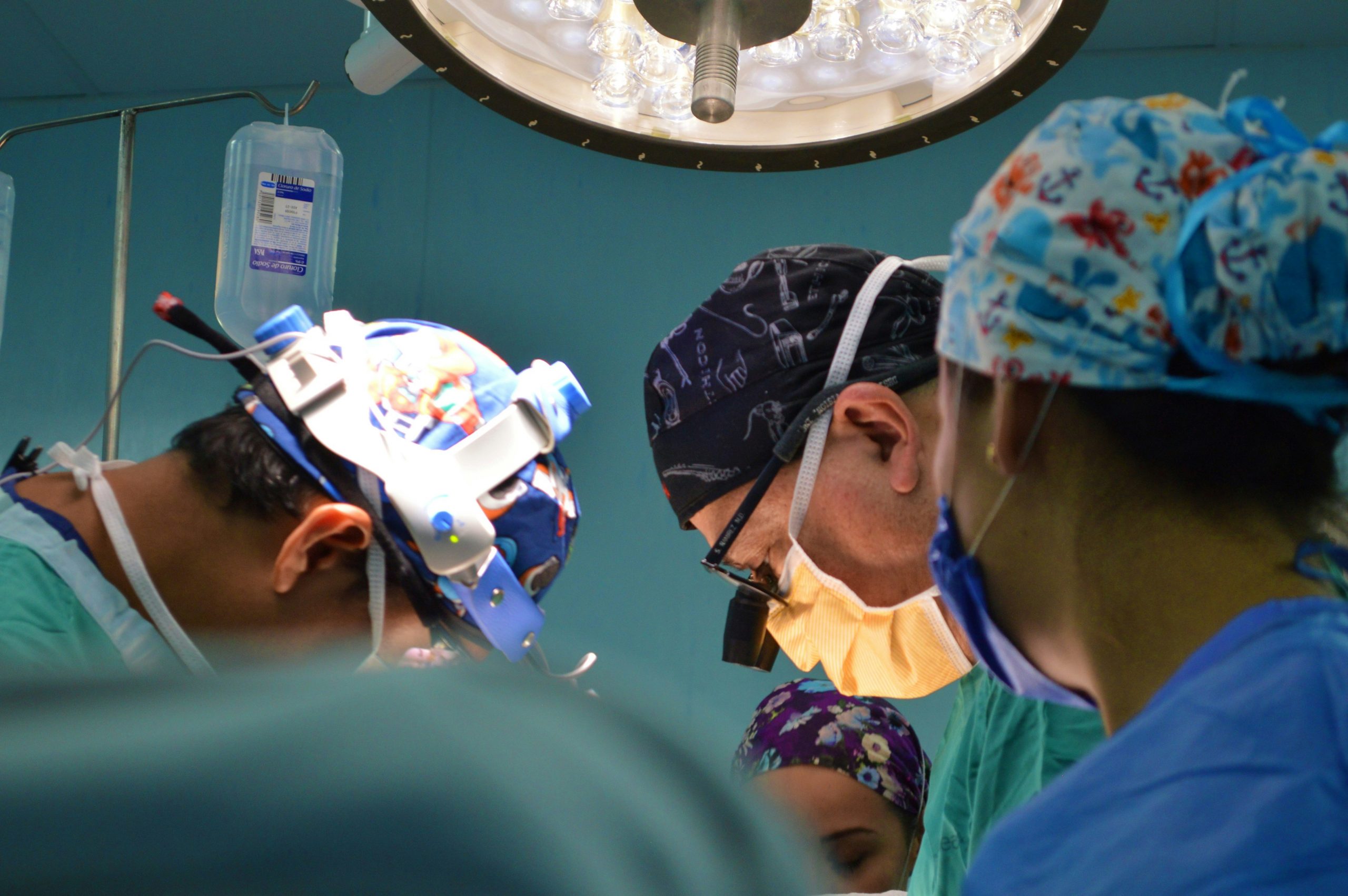
Before getting into the numbers, it helps to understand what makes this technique different from a standard operation. Instead of making one large incision to access the area being treated, a surgeon makes a handful of small cuts, usually less than an inch each. A thin camera called a laparoscope gets inserted through one of these openings, projecting a magnified view of the inside of the body onto a screen. Specialized instruments go through the other small incisions to perform the actual procedure.
This approach is used for everything from gallbladder removal and hernia repair to hysterectomies, appendectomies, and even some cancer surgeries. The logic behind it is simple: smaller incisions generally mean less tissue trauma, which in turn tends to translate into less pain, lower infection risk, and a faster bounce-back.
That said, “generally” and “tends to” are important qualifiers. The technique isn’t magic, and it isn’t right for every patient or every condition. It’s a tool, and like any tool, its safety depends heavily on how and when it’s used.
The Numbers Behind Its Rising Popularity
Here’s where things get interesting. According to a 2026 clinical data review on laparoscopic surgery outcomes compiled by MyMedicineAdvisor, laparoscopic procedures are now achieving success rates north of 95 percent across major operation categories, and the volume of these surgeries has grown to more than 15 million performed globally within the year. That’s not a niche technique anymore. That’s a mainstream standard of care being adopted at a scale that would have seemed ambitious even a decade ago.
What’s worth noting is that this isn’t just a story about popularity. A high adoption rate paired with a high success rate suggests the outcomes are holding up even as more surgeons, in more hospitals, across more countries, take on these procedures. If laparoscopic techniques were only safe in the hands of a small group of elite specialists at flagship academic centers, you wouldn’t expect to see both numbers climbing together. The fact that both are rising in tandem is a reasonably strong signal that the approach has become reproducible, not just impressive in ideal conditions.
A few things worth pulling out of this data point:
- A 95 percent-plus success rate applies across major procedure categories, not just the simplest cases like gallbladder removal.
- The 15 million figure reflects a global scale of adoption, meaning the technique is being used across a wide range of healthcare systems, not just in high-resource countries.
- Success rates at this level generally require standardized training, consistent equipment quality, and reliable postoperative protocols, all of which point to broader infrastructure improvements supporting the technique.
Why Recovery Times Are Turning Heads
Success rates only tell part of the story. What patients usually care about just as much, if not more, is how rough the recovery will be. This is where laparoscopic surgery tends to pull ahead of open surgery in a fairly dramatic way.
That same 2026 dataset noted that patients undergoing laparoscopic procedures were typically discharged after around two days in the hospital, compared to roughly four days for those who had open surgery for comparable conditions. On top of the shorter stay, the data pointed to about 50 percent less reported pain and a 49 percent reduction in infection rates when compared to open techniques.
Those aren’t small differences. Cutting a hospital stay in half has real consequences beyond comfort:
- Lower exposure to hospital-acquired infections, since less time in a clinical environment means fewer opportunities to pick up something unrelated to the original procedure.
- Reduced healthcare costs, both for patients and for the broader system, since shorter stays mean fewer bed-days and less staff time per patient.
- Faster return to normal life, whether that means going back to work, taking care of family, or simply not feeling like a patient anymore.
- Lower risk of complications tied to prolonged bed rest, such as blood clots or muscle deconditioning.
None of this means laparoscopic surgery is painless or risk-free. It just means that, statistically, patients who go this route tend to have an easier time getting back on their feet.
What the Market Data Tells Us About Safety
It’s not just clinical researchers tracking this trend. Industry analysts have been watching it too, and their numbers tell a complementary story. A 2026 laparoscopy devices market analysis from Mordor Intelligence, focused specifically on laparoscopy device adoption, found that hospitals using these techniques are seeing average stays shrink by two to three days across elective and acute cases alike, along with fewer readmissions and less reported postoperative pain.
What makes this source valuable is that it’s coming from a completely different angle than a clinical outcomes study. Market researchers aren’t primarily interested in patient wellbeing as an end in itself; they’re tracking what hospitals are investing in and why. When an industry report independently arrives at similar conclusions about reduced hospital stays and fewer complications, it adds weight to the idea that this isn’t a statistical fluke or a cherry-picked study. Hospitals are buying more laparoscopic equipment and expanding training programs because the return on investment, both financial and clinical, is holding up in practice.
That same report also flagged a technological angle worth mentioning: newer imaging systems using 4K resolution, 3D visualization, and augmented reality overlays are helping surgeons see finer anatomical detail during procedures, which appears to be contributing to lower error rates in more complex dissections. In other words, the safety improvements aren’t just coming from the technique itself, but from the tools surrounding it getting sharper every year.
This matters for anyone weighing the decision, because it highlights the role of clinics in modern health treatments as more than passive service providers. The equipment a clinic invests in, the training its surgical staff receives, and the volume of procedures it performs all directly shape how safe a laparoscopic operation will actually be for the person on the table.
The Real Risks Nobody Should Downplay
None of this means laparoscopic surgery is without downsides, and it would be irresponsible to pretend otherwise. Every surgical procedure carries risk, and laparoscopic techniques have their own specific set of complications to be aware of.
Some of the more commonly cited risks include:
- Injury to surrounding organs or blood vessels during instrument insertion, since the surgeon is working with a more limited field of direct vision compared to open surgery.
- Complications related to the gas used to inflate the abdominal cavity for better visibility, which in rare cases can cause issues with blood pressure or breathing during the procedure.
- Longer operative times for certain complex cases, since laparoscopic techniques can be more technically demanding than simply opening the area directly.
- The possibility of conversion to open surgery mid-procedure, which happens when the surgeon determines that visibility is inadequate or unexpected complications arise.
That last point deserves a bit more attention, because it’s often misunderstood. A conversion from laparoscopic to open surgery is not a sign that something went catastrophically wrong. It’s usually a sign of good judgment. Surgeons are trained to prioritize patient safety over sticking rigidly to a technique, and switching approaches mid-operation is a built-in safety valve, not a failure.
Who Might Not Be a Good Candidate
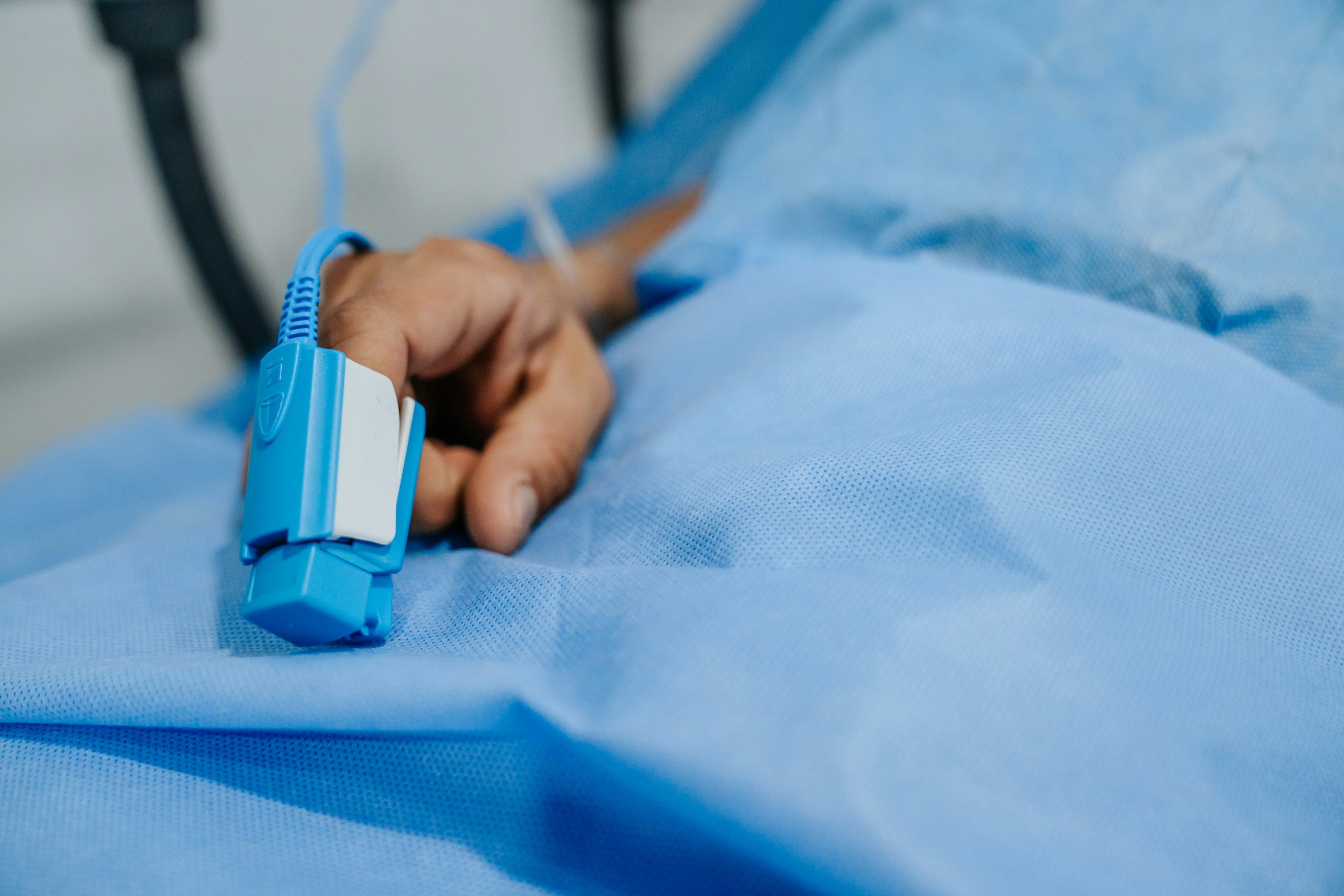
Laparoscopic surgery isn’t a one-size-fits-all solution, and a responsible surgeon will tell you upfront if it’s not the right fit for your situation. A few groups where open surgery may still be preferred include:
- Patients with extensive scar tissue from previous abdominal surgeries, which can make it difficult to safely navigate instruments through the small incisions.
- Individuals with certain cardiovascular conditions that make them more sensitive to the pressure changes associated with the gas used during the procedure.
- Cases involving very large tumors or masses that simply cannot be safely removed through small incisions.
- Emergency situations where speed is critical and there isn’t time for the more methodical setup that laparoscopic techniques require.
This is why the consultation process matters so much. A good surgical team will walk through your specific health history, the nature of your condition, and your personal risk factors before recommending one approach over the other.
How to Prepare for a Safer Outcome
Whether you end up going the laparoscopic route or not, there are things within your control that meaningfully affect how safe and smooth your surgery turns out to be.
Consider the following before your procedure:
- Ask your surgeon directly how many laparoscopic procedures of your specific type they perform each year, since experience volume is one of the strongest predictors of good outcomes.
- Confirm what kind of equipment and imaging technology the facility uses, since newer visualization tools have been linked to lower complication rates.
- Be upfront about any medications you’re taking, particularly blood thinners, since these can affect bleeding risk regardless of which surgical technique is chosen.
- Follow preoperative instructions closely, including fasting guidelines and any required lifestyle adjustments, since these reduce the chance of complications during anesthesia.
- Ask what the plan is if a conversion to open surgery becomes necessary, so you understand what to expect rather than being surprised by it.
Being an informed, engaged patient doesn’t just make you feel more in control. It genuinely contributes to better outcomes, because it gives your care team more complete information to work with.
Weighing It All Together
So, is laparoscopic surgery safe? Based on the most recent data available, the answer leans strongly toward yes for the vast majority of patients and procedures where it’s recommended. Success rates above 95 percent, meaningfully shorter hospital stays, less pain, and lower infection rates all point in the same direction. At the same time, no surgery is entirely without risk, and the technique isn’t appropriate for every person or every condition.
The best approach is to treat this decision the way you’d treat any major health choice: ask questions, understand your own specific risk factors, and trust the professionals who have direct visibility into your case. The data is encouraging, but it’s meant to inform your conversation with your surgeon, not replace it.
