
Disclaimer: This website provides health information for educational purposes only and is not a substitute for professional medical advice, diagnosis, or treatment. Always seek the guidance of a qualified healthcare provider with any questions you may have.
Modern wellness is no longer defined by a single habit like exercising more or eating better. Instead, it is a connected system that brings together physical health, mental wellbeing, preventive care, and lifestyle structure. People today are looking for sustainable ways to feel better day-to-day, not just short bursts of improvement.
This guide explores how everyday decisions, professional support systems, and preventive health strategies can work together to create long-term balance. Each section focuses on practical steps readers can apply in real life, whether they are building healthier routines, managing stress, or improving overall energy and resilience.
- Creating Stability Through Daily Living Support Systems
- Strengthening Mental Health Through Structured Recovery Pathways
- Building Preventive Health Habits Through Routine Care
- Supporting Healthy Body Composition Through Medical Guidance
- Improving Mental Clarity and Physical Discipline Through Movement
- Enhancing Confidence and Wellness Through Modern Aesthetic Care
- Protecting Long-Term Heart Function Through Preventive Monitoring
- Prioritizing Sleep Quality for Mental and Physical Recovery
- Integrating Health Practices Into a Unified Lifestyle
Creating Stability Through Daily Living Support Systems

A strong foundation for wellness often begins with consistency in daily routines. For individuals who need extra help maintaining structure—whether due to age, recovery, chronic conditions, or periods of physical or emotional instability—having reliable support can make a meaningful difference in quality of life. When daily tasks become overwhelming, even simple responsibilities like meal preparation, hygiene, or medication management can feel exhausting, which often leads to skipped routines and a gradual decline in both physical and mental health.
Working with a local caregiver can provide both practical assistance and emotional reassurance. This type of support is not just about physical help, but also about improving safety, reducing stress, and ensuring that health routines are followed consistently. In many cases, caregivers also serve as an early point of observation, noticing subtle changes in behavior, appetite, mobility, or mood that might otherwise go unaddressed. This early awareness can help prevent minor issues from developing into more serious health concerns and can make it easier for families and healthcare providers to intervene at the right time.
Practical ways support systems improve wellness include:
- Encourages adherence to medication and hydration schedules
- Helps maintain clean and safe living environments
- Reduces isolation through regular social interaction
- Supports mobility and daily task completion
- Provides monitoring for changes in health conditions
- Assists with meal preparation and nutritional consistency
- Helps structure daily routines for better sleep and activity balance
Beyond physical assistance, emotional wellbeing improves when individuals feel supported and less overwhelmed by daily responsibilities. This can reduce anxiety, increase confidence in managing day-to-day life, and help create more stable mental health outcomes over time. Having a consistent presence in the home can also provide a sense of reassurance and predictability, which is especially valuable for individuals dealing with cognitive decline, chronic illness, or recovery from hospitalization.
A structured support system is most effective when it is consistent rather than occasional, tailored to individual needs, and integrated into daily routines in a way that feels natural rather than disruptive. It should evolve over time as health needs change, ensuring that support remains appropriate, sustainable, and aligned with long-term wellbeing goals.
Strengthening Mental Health Through Structured Recovery Pathways
Mental health and behavioral wellness are essential components of overall health. When individuals face challenges related to substance use or dependency, structured environments can provide the stability needed for long-term recovery. Without consistent structure, many people find themselves caught in cycles of relapse, where short-term progress is disrupted by unmanaged stress, triggers, or environmental pressures. A stable framework helps reduce these risks by creating predictable routines and access to professional guidance during vulnerable stages of recovery.
An addiction treatment center offers a comprehensive approach that includes therapy, medical supervision, and emotional support. These programs are designed not only to address symptoms but also to identify underlying causes and build healthier coping mechanisms. This often involves a combination of psychological evaluation, personalized treatment planning, and ongoing progress monitoring to ensure that care adapts as the individual evolves. In many cases, treatment also extends to family involvement, helping rebuild trust and communication patterns that may have been strained over time.
Key components of effective recovery support:
- Individual and group counseling sessions
- Medical monitoring and withdrawal management
- Cognitive behavioral therapy techniques
- Relapse prevention planning
- Emotional regulation skill-building
- Trauma-informed care approaches
- Development of healthy coping strategies for stress and triggers
Recovery is not a single event but a continuous process. Structured programs help individuals rebuild routines that support stability, accountability, and self-awareness. Over time, these routines become the foundation for long-term behavioral change, replacing harmful patterns with healthier daily habits and more constructive decision-making.
Additional benefits include improved emotional resilience, stronger decision-making skills, rebuilt personal relationships, and an increased sense of self-worth. Many individuals also experience improved focus, better sleep quality, and a renewed sense of purpose as they begin to regain control over their lives. Support systems within structured programs often encourage ongoing community connection, which helps reduce isolation and reinforces long-term recovery goals.
The long-term goal is not just abstinence, but the development of a healthier and more sustainable lifestyle built on stability, self-understanding, and the ability to navigate challenges without returning to previous harmful behaviors.
Building Preventive Health Habits Through Routine Care
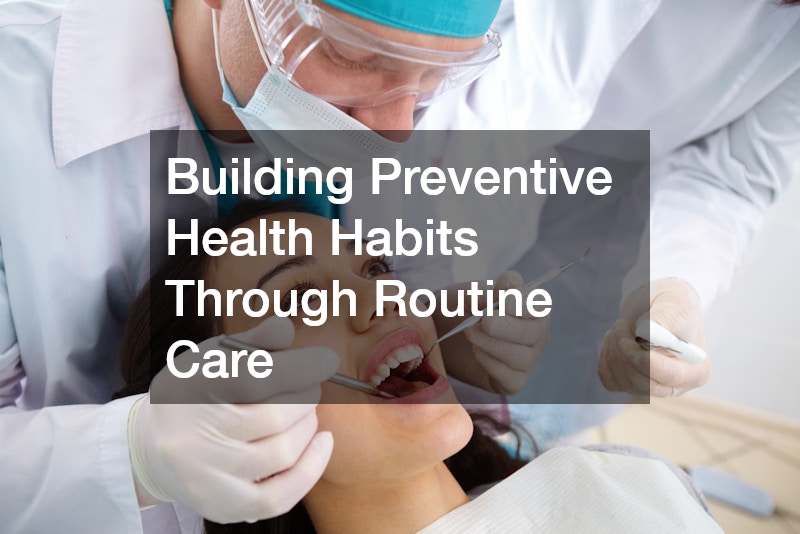
Preventive care plays a major role in long-term wellness. Small, consistent actions can prevent larger health issues later in life, especially when it comes to oral and systemic health. Many chronic conditions develop gradually, often without noticeable symptoms in the early stages, which makes routine monitoring one of the most effective tools for maintaining overall wellbeing. By focusing on prevention rather than reaction, individuals can reduce the likelihood of costly or complex treatments in the future.
Regular visits to a local dentist are an important part of maintaining overall wellbeing. Oral health is closely connected to heart health, inflammation levels, and even mental confidence. When oral hygiene is neglected, bacteria can build up and contribute to issues that extend beyond the mouth, including cardiovascular strain and systemic inflammation. This makes dental care a key part of a broader preventive health strategy rather than an isolated concern.
Scheduling a routine dentist appointment helps ensure early detection of issues such as cavities, gum disease, or infections before they become more serious. Early intervention typically results in simpler, less invasive treatments and better long-term outcomes. It also allows dental professionals to track changes over time and recommend adjustments to at-home care routines based on individual needs.
Benefits of preventive dental care:
- Early identification of oral health issues
- Reduced risk of systemic infections
- Improved breath and oral hygiene
- Better long-term tooth preservation
- Increased confidence in daily interactions
- Lower likelihood of emergency dental procedures
- More cost-effective long-term care management
Simple habits to support oral wellness include brushing twice daily with fluoride toothpaste, flossing consistently, limiting sugary beverages and snacks, staying hydrated to support saliva production, and keeping scheduled dental checkups. These small behaviors, when practiced consistently, create a strong foundation for long-term oral health and contribute to overall physical wellbeing.
Preventive care is most effective when it is consistent and combined with professional monitoring. Over time, this combination helps establish a proactive health mindset that supports both immediate comfort and long-term stability.
Supporting Healthy Body Composition Through Medical Guidance
Sustainable weight management today focuses less on restrictive dieting and more on long-term metabolic health. A structured approach helps individuals create habits that are realistic and maintainable. This shift reflects a growing understanding that weight is influenced by multiple factors, including hormones, stress levels, sleep quality, and daily activity patterns, not just calorie intake alone.
Medical weight loss programs offer supervised strategies that consider metabolism, lifestyle, and individual health conditions. These programs are not one-size-fits-all; instead, they are designed to address root causes of weight challenges. Many individuals benefit from ongoing professional oversight, which helps adjust plans over time as the body responds and progress changes.
Common components of a structured program:
- Personalized nutrition planning
- Metabolic and hormonal evaluation
- Physical activity recommendations
- Behavioral coaching and habit tracking
- Regular progress monitoring
- Medication support when clinically appropriate
- Education on long-term lifestyle maintenance strategies
Lifestyle changes that support success:
- Prioritizing protein-rich meals for satiety
- Reducing processed food intake
- Incorporating daily movement
- Managing stress levels effectively
- Tracking progress without obsession
The focus is not just on weight reduction, but on improving energy levels, mobility, and long-term health markers such as blood sugar and cholesterol. Over time, these improvements often translate into better daily functioning, increased confidence, and a more stable relationship with food and activity patterns.
Improving Mental Clarity and Physical Discipline Through Movement
Physical activity plays a powerful role in both mental and emotional wellness. Structured movement practices can help regulate stress, improve focus, and build discipline.
Practicing martial arts is one example of a structured physical discipline that benefits both body and mind. It combines fitness training with mental focus, coordination, and self-control.
Benefits of structured movement practices:
- Improved cardiovascular fitness
- Increased flexibility and strength
- Enhanced mental discipline and focus
- Better emotional regulation under stress
- Improved self-confidence
Ways to incorporate movement into daily life:
- Attending structured classes weekly
- Practicing short daily training routines
- Setting achievable skill progression goals
- Combining cardio and strength-based exercises
- Using movement as stress relief rather than obligation
Over time, these practices help build resilience and consistency in both physical and mental health.
Enhancing Confidence and Wellness Through Modern Aesthetic Care
Wellness today also includes how individuals feel about their appearance and self-image. When people feel confident in how they look, it often positively impacts mental wellbeing and social engagement.
Non-invasive treatments and services available through a med spa can support skin health, relaxation, and confidence. These environments typically combine wellness services with aesthetic care in a structured, professional setting.
Botox treatments are one example of a widely used aesthetic option that focuses on reducing fine lines and supporting a refreshed appearance.
Common wellness-focused aesthetic services:
- Skin hydration and rejuvenation treatments
- Non-invasive facial enhancements
- Relaxation and stress-reduction therapies
- Anti-aging skin support options
- Customized skincare plans
Important considerations:
- Always prioritize licensed professionals
- Set realistic expectations for outcomes
- Understand treatment timelines and maintenance
- Combine aesthetic care with overall health habits
These services are most effective when viewed as part of a broader wellness strategy rather than standalone solutions.
Protecting Long-Term Heart Function Through Preventive Monitoring
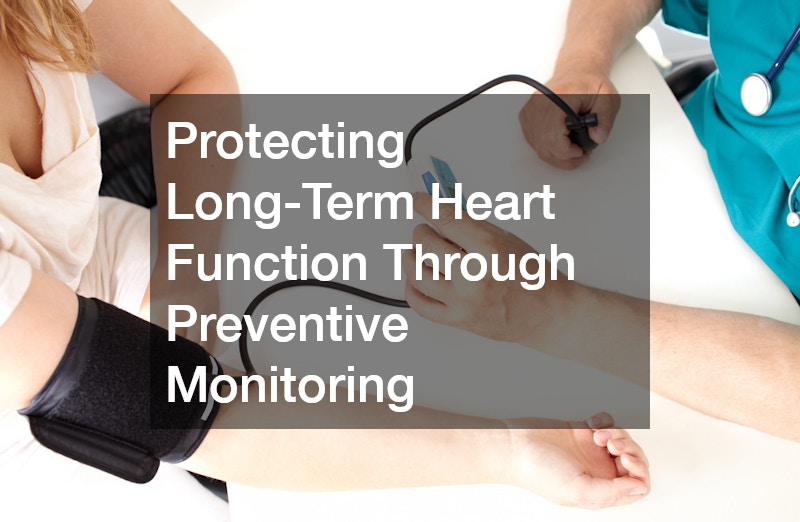
Cardiovascular health is one of the most important pillars of overall wellness. The heart and circulatory system impact nearly every function in the body, making prevention and monitoring essential.
Regular visits to a cardiologist can help identify risk factors early and support long-term heart health. Preventive screenings often reveal conditions that may not yet show symptoms.
Key heart health priorities:
- Blood pressure management
- Cholesterol regulation
- Stress reduction strategies
- Regular cardiovascular screenings
- Healthy diet and exercise habits
Lifestyle practices that support heart health:
- Engaging in moderate aerobic exercise
- Reducing sodium intake
- Managing chronic stress effectively
- Avoiding smoking and excessive alcohol use
- Maintaining a healthy weight range
Early intervention is one of the most effective tools in preventing long-term cardiovascular issues.
Prioritizing Sleep Quality for Mental and Physical Recovery
Sleep is one of the most underrated components of wellness, yet it directly affects mood, cognitive function, immune strength, and physical recovery.
Working with a sleep doctor can help identify underlying sleep disorders such as insomnia, sleep apnea, or disrupted sleep cycles. Addressing these issues can significantly improve daily energy and mental clarity.
Signs of poor sleep quality:
- Persistent fatigue during the day
- Difficulty concentrating
- Frequent waking during the night
- Irritability or mood swings
- Headaches upon waking
Strategies for improving sleep hygiene:
- Maintaining a consistent sleep schedule
- Reducing screen exposure before bed
- Creating a dark, cool sleeping environment
- Avoiding caffeine late in the day
- Establishing a calming nighttime routine
Improved sleep often leads to better decision-making, emotional balance, and physical recovery.
Integrating Health Practices Into a Unified Lifestyle
True wellness is not achieved through isolated habits, but through the integration of multiple systems working together. Physical health, mental health, and preventive care all influence one another.
Creating a sustainable wellness lifestyle requires consistency, awareness, and flexibility. Instead of focusing on perfection, the goal should be long-term balance.
Core principles of integrated wellness:
- Consistency over intensity
- Prevention over reaction
- Balance between physical and mental health
- Small daily improvements over drastic changes
- Personalization based on individual needs
Tools for long-term success:
- Journaling health habits and progress
- Using reminders for appointments and routines
- Setting realistic weekly goals
- Tracking energy and mood patterns
- Seeking professional support when needed
When these elements are combined, wellness becomes a sustainable lifestyle rather than a short-term goal.
Modern wellness is built on connection—between habits, professionals, and daily decisions. When physical health, mental wellbeing, and preventive care are addressed together, individuals are better equipped to maintain long-term balance and resilience.
Small, consistent actions supported by the right guidance can create meaningful improvements over time. The key is to focus on sustainability, awareness, and integration rather than quick fixes or isolated efforts.
